What Is a 220V VFD Single Phase and How Does It Work?
A 220v vfd single phase can make a standard 220-volt power supply useful for controlling a three-phase motor. That sounds simple. It is not always simple.
In practical terms, the drive receives single-phase AC power, converts it into DC, and rebuilds it as controlled three-phase output. By adjusting frequency, it changes motor speed. By regulating voltage, it supports smoother starting and better torque control. Imagine a conveyor beginning with a quiet hum instead of a sudden mechanical jerk. That is one clear advantage.
However, buyers must check the drive’s input and output specifications carefully. Some units accept 220-volt single-phase input but produce three-phase output. Others require three-phase input and cannot perform this conversion. Motor voltage, rated current, overload capacity, enclosure protection, and phase configuration all matter. A single-phase supply may also require derating the VFD, depending on the manufacturer’s instructions. Ignoring that detail can create excess heat inside the drive.
Mike Holt, a respected electrical educator, has stated, “Electricity is not forgiving.” His warning fits this subject well. Correct wiring, grounding, circuit protection, and disconnecting procedures are essential. Installation should be reviewed by a qualified professional.
The terminology can still confuse experienced technicians. A better explanation would show the actual terminals, motor nameplate, and wiring path. That practical context is often missing. This guide will clarify how a 220v vfd single phase works, where it performs well, and which limitations deserve careful attention before purchase or installation.
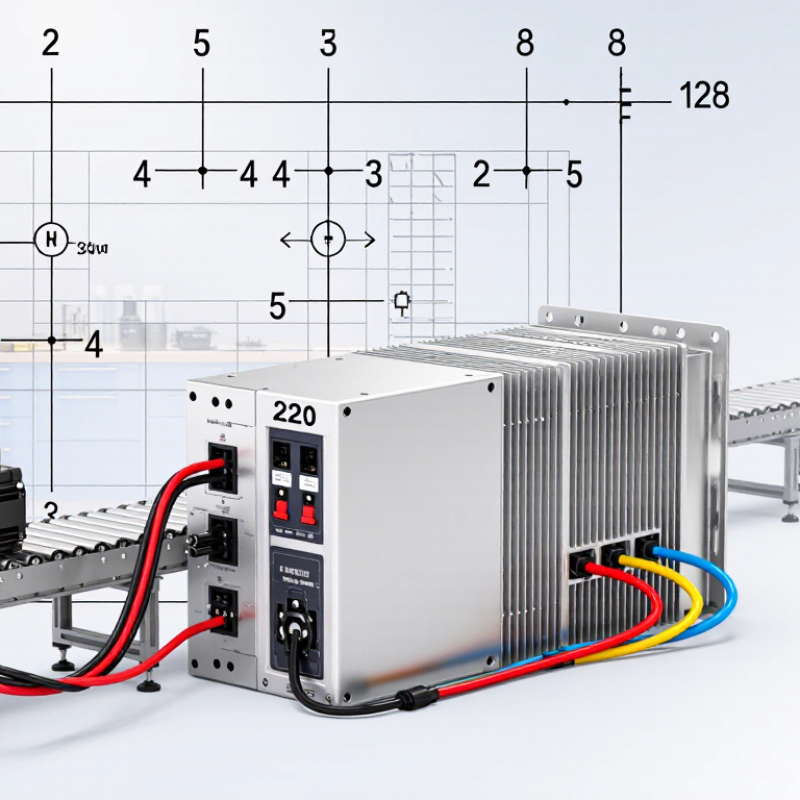
What Is a 220V Single-Phase VFD?
What Is a 220V Single-Phase VFD?
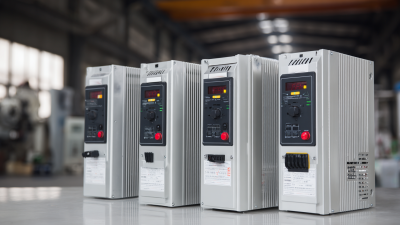
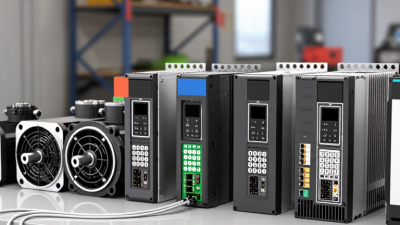
A 220V single-phase VFD is an electronic controller for adjusting an electric motor’s speed. It usually accepts 220V AC from a single-phase supply. Inside, the drive changes AC power into DC power. It then creates a controlled three-phase output for a compatible motor. The output frequency controls motor speed, while voltage adjustment supports smoother operation. Not every model provides three-phase output, so the nameplate requires careful checking.
In a workshop, the operator can set a slow starting speed instead of applying full power instantly. This reduces mechanical shock on belts, pumps, and couplings. The VFD can also provide acceleration, deceleration, overload protection, and basic fault monitoring. A small display may show output frequency, current, and error codes. Useful details often appear there.
Matching remains critical. The motor voltage, rated current, phase type, and load must agree with the drive. A single-phase motor is not automatically suitable for every VFD. I have seen installations fail because users matched voltage but ignored motor current. That shortcut is expensive. Wiring should follow the manufacturer’s instructions, with grounding and protective devices installed correctly. Airflow matters too, since dust and heat can shorten service life. Even experienced users should verify settings before energizing the system. One overlooked parameter can cause unstable starts or unexpected motor heating.
How a 220V Single-Phase VFD Converts and Controls Power
A 220V single-phase VFD receives alternating current from a standard 220V supply. It does not send that power directly to the motor. An input rectifier changes AC into pulsating DC, then capacitors smooth the voltage inside the DC bus. An inverter section switches this DC rapidly through power transistors. The result is controlled output power, often three-phase power for a compatible motor.
The VFD adjusts frequency to control motor speed. It also changes voltage to maintain a suitable voltage-to-frequency ratio. At low speed, this helps the motor produce useful torque without drawing unnecessary current. During a workshop test, a motor may start smoothly at 10 Hz instead of jumping instantly to full speed. That softer start reduces mechanical shock on belts, pumps, and gearboxes.
Do not assume every 220V VFD supports every motor. Some units accept single-phase input but provide three-phase output only. The motor nameplate, rated current, wiring method, and phase configuration must match the drive. Correct grounding and overload settings matter. A careless setting can overheat the motor quietly. That part is easy to underestimate. In real installations, airflow, cable length, and electrical noise also affect performance, so checking the manual and measuring operating current remains essential.
How to Connect a 220V Single-Phase VFD to a Motor
A 220V single-phase VFD converts incoming AC into DC, then recreates controlled three-phase AC through high-speed switching. This allows a suitable three-phase motor to start smoothly and run at adjustable speed. The International Energy Agency reports that electric motor systems consume about half of global electricity, so better speed control can reduce wasted energy in pumps, fans, and conveyors. However, savings depend on the load. A VFD is not automatically efficient in every application.
Before wiring, read the motor nameplate carefully. Confirm its rated voltage, current, frequency, and connection links. Connect the 220V single-phase supply to the VFD input terminals, usually marked L and N or L1 and L2. Connect the motor wires to U, V, and W, then connect protective earth to both the VFD and motor frame. Never apply mains power to the output terminals. A single-phase-input VFD normally produces three-phase output, so a standard single-phase capacitor motor is usually unsuitable. The VFD may also require current derating; follow its technical manual, not guesswork. The U.S. Department of Energy notes that motor-driven systems use more than 70% of industrial electricity, making correct setup worthwhile.
Tips: Isolate power, wait for the DC bus discharge indicator to turn off, and verify voltage with a meter. Set motor current, acceleration time, maximum frequency, and overload protection before testing. Start at low speed and check rotation, vibration, and heating. I still check terminal labels twice; one reversed assumption can damage equipment. A qualified electrician should review the installation, especially where local electrical rules require it.
220V Single-Phase VFD: Frequency-to-Motor-Speed Relationship
A 220V single-phase VFD converts the incoming power into a controlled three-phase output. Adjusting the output frequency changes the speed of a four-pole induction motor. The values below represent typical loaded operating points with approximately 4% slip.
Connection principle: Connect the 220V single-phase supply to the VFD input terminals, then connect the motor to the VFD's three-phase output terminals. Motor speed should be controlled through the VFD frequency setting rather than by switching the motor output.
Applications, Benefits, and Limitations of 220V Single-Phase VFDs
A 220V single-phase VFD converts incoming single-phase power into controlled three-phase output. It changes frequency and voltage to regulate motor speed. In practical terms, a 1,800-rpm motor can run slower without using a mechanical throttle. The drive also provides ramped starting, which reduces sudden current peaks and belt shock. It is not magic.
These drives suit small pumps, ventilation fans, conveyors, mixers, and workshop machines. A pump may run at lower speed during light demand, reducing noise and energy use. A conveyor can start smoothly, protecting products and couplings. Technicians commonly adjust acceleration, deceleration, and maximum frequency during commissioning. Small details matter. Correct motor data must be entered.
Limitations deserve equal attention. Most units require a compatible three-phase motor, not a capacitor-start single-phase motor. The drive’s output current must match the motor, while single-phase input often requires derating. At low speed, a self-cooled motor may overheat because its fan moves less air. Long cables can also increase electrical noise and insulation stress. Proper grounding, shielding, ventilation, and protective devices are essential. Installation should follow local electrical rules and the equipment manual. In my view, selecting a drive by voltage alone is a common mistake; load type, starting torque, duty cycle, and enclosure conditions matter more.