Connect with us today to learn more about our industrial automation solutions—and how to commission them for your application.
What are the Best EMI Filters for Global Buyers?
In today's technology-driven world, the importance of EMI filters cannot be overstated. Electromagnetic interference (EMI) poses significant challenges to the performance and reliability of electronic devices. Choosing the right EMI filter can greatly enhance device functionality and compliance with global standards. With various designs and specifications available, global buyers face a complex decision-making process.
The best EMI filters come in multiple forms, including passive and active options. They are designed to mitigate unwanted noise that can disrupt electronic circuits. Quality assessments often hinge on factors like frequency range, insertion loss, and size. Understanding these elements is crucial for buyers seeking optimal solutions.
However, not all EMI filters are created equal. It’s essential to consider specific application needs and environmental conditions. This complexity can lead to missteps in selection. Consequently, reflecting on these factors becomes increasingly vital for informed purchasing decisions. By prioritizing quality and suitability, global buyers can effectively navigate the EMI filter landscape.
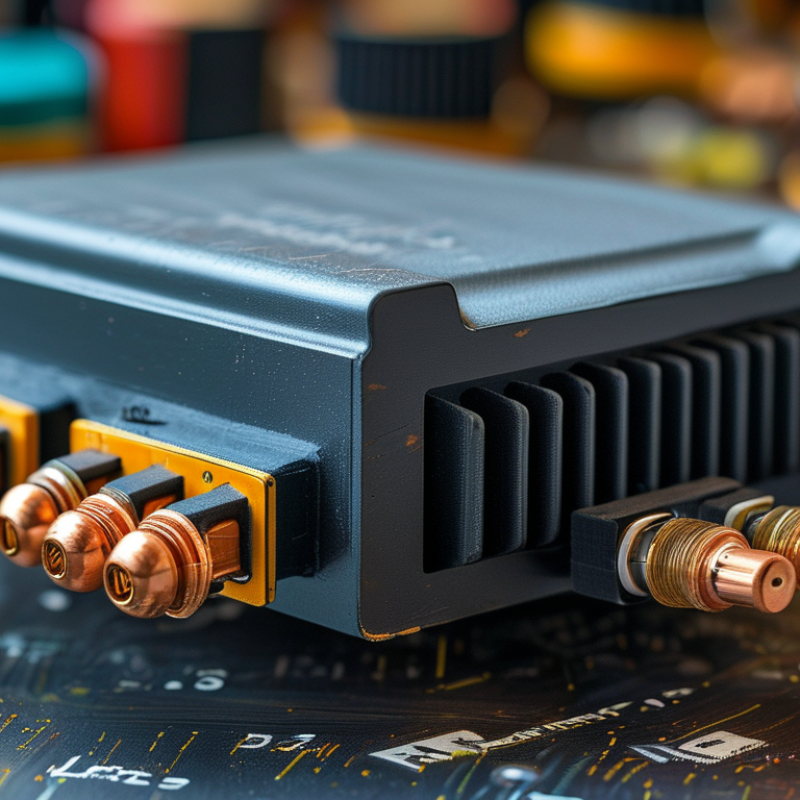
Overview of EMI Filters and Their Importance in Global Markets
Electromagnetic interference (EMI) poses significant challenges in global markets. Devices that emit electrical noise can disrupt sensitive equipment. This interference can lead to major losses in product performance and reliability. Studies indicate that nearly 30% of electronic failures are linked to EMI issues. Thus, understanding EMI filters is crucial for maintaining device functionality.
Choosing the right EMI filter can significantly enhance device performance. A well-designed filter can mitigate noise at various frequency levels. It's important for manufacturers to consider factors like frequency range, insertion loss, and current rating. Recent market analysis shows that the global EMI filter market is expected to reach $3.5 billion by 2026, driven by rising electronic device usage. Not all filters will suit every application; careful selection is essential.
Consider these points when evaluating EMI filters. Evaluate your specific requirements, including size constraints and environmental factors. Not every filter will provide optimal performance if mismatched. Additionally, manufacturers must be aware of potential backlash from users if devices fail due to inadequate shielding. The right filter not only enhances performance but also builds consumer trust in products.
What are the Best EMI Filters for Global Buyers? - Overview of EMI Filters and Their Importance in Global Markets
| Filter Type | Frequency Range | Attenuation Level | Applications | Region |
|---|---|---|---|---|
| Low Pass Filter | DC to 1 GHz | 20 dB - 60 dB | Consumer Electronics | Global |
| High Pass Filter | 1 GHz to 10 GHz | 30 dB - 70 dB | Telecommunications | North America |
| Band Pass Filter | 20 MHz to 6 GHz | 25 dB - 80 dB | Wireless Communication | Europe |
| Notch Filter | 10 MHz to 1 GHz | 30 dB - 70 dB | Military Applications | Asia |
| Common Mode Choke | DC to 3 GHz | 15 dB - 50 dB | Industrial Equipment | Global |
Key Parameters for Selecting the Best EMI Filters Worldwide
When selecting EMI filters, understanding key parameters is essential. The effectiveness of these filters hinges on attenuation characteristics. A recent industry report highlights that a filter's insertion loss should achieve at least 40 dB over the intended frequency range for efficient performance. This value varies according to applications, posing a challenge for designers who must balance performance and cost.
Another crucial parameter is the filter's operating temperature range. Many designs face issues when the working environment fluctuates beyond the specified range. According to a study by an electronic components association, nearly 25% of failures in EMI filters stem from operational stress. Thus, buyers should prioritize products that offer reliable performance under varying conditions.
Size and form factor also play significant roles in selection. Compact designs are pivotal for modern electronic devices, where space is at a premium. Reports indicate that smaller filters often compromise effectiveness, leading to potential long-term issues. Users need to weigh the trade-offs between size and efficiency to ensure optimal performance in their specific applications.
Top Manufacturers of EMI Filters by Market Share and Innovation
As the demand for electronic devices increases, the need for effective EMI filters becomes critical. These filters protect sensitive electronic components from electromagnetic interference, which can cause malfunctions. A recent industry analysis indicates the global EMI filter market is expected to grow at a CAGR of 6.8% from 2023 to 2030. This surge emphasizes the importance of choosing the right manufacturers who lead in both market share and innovations.
Leading manufacturers dominate the market with innovative designs that cater to diverse applications. Companies focusing on advanced materials and integration techniques provide superior performance. Research reveals that manufacturers with strong R&D investments yield higher product reliability. In fact, firms that prioritize technological enhancements tend to capture a larger market share. However, many buyers often overlook the significance of compliance certifications. This can result in selecting filters that do not meet international standards.
When selecting EMI filters, it’s beneficial to consider the filtering efficiency and frequency range. Look for manufacturers who continually update their product lines based on emerging technologies. Not every producer can provide the latest solutions, so thorough market research is essential. Reflect on the specific needs of your application to avoid costly mistakes. Prioritize filters that demonstrate proven performance through rigorous testing, ensuring reliable operation in various environments.
Emerging Technologies in EMI Filters: Trends and Future Directions
Emerging technologies in EMI filters continue to shape the electronics landscape. With the rise of 5G and IoT, the demand for effective electromagnetic interference (EMI) solutions is growing. New materials, such as graphene and nanocomposites, are being explored to enhance filter performance. These materials can improve attenuation and reduce size, a critical factor in compact electronic devices.
The increasing complexity of electronic systems presents challenges for EMI filtering. Designers are exploring innovative configurations and integrated circuits to tackle these issues. Active EMI filters, which adapt in real-time to changing frequencies, are gaining traction. They promise improved efficiency and reliability in noisy environments. However, implementation can be complex, and understanding their behavior requires expertise.
As industries evolve, staying updated on these trends is crucial. Researchers are continuously looking for ways to optimize EMI filters. It's not just about performance but also sustainability. The integration of eco-friendly materials is becoming a priority. This shift may not be seamless; balancing performance with environmental impact can lead to design compromises. Thus, careful consideration in the design process is essential for future advancements.
Regional Variations in EMI Filter Standards and Compliance Requirements
Global buyers face a complex landscape when selecting EMI filters due to regional variations in standards. Each region has unique compliance requirements that can significantly impact the performance and safety of electronic devices. For instance, the European Union enforces the EMC Directive, which mandates strict emissions and immunity levels. According to a 2022 report by the International Electrotechnical Commission, nearly 70% of electronic devices tested in Europe did not meet these standards.
In North America, the FCC sets regulatory frameworks that focus on radio frequency interference. Recent studies indicate that 55% of devices fail initial compliance tests due to inadequate filtering. This raises concerns about both product reliability and safety. Buyers need to consider regional testing standards and their implications for product design. Adapting to these variations can be a challenge, as stakeholders must navigate different certification processes.
Asia presents its own set of compliance challenges, with countries like China having their own standards, such as GB/T 17626. Variations can create confusion for manufacturers. A 2023 market analysis revealed that more than 40% of companies faced delays due to non-compliance issues in Asian markets. Understanding these regional differences is crucial for effective market entry and product success.
Related Posts
-
Top 5 EMI Filter Types to Enhance Your Electronics Performance
-
Best EMI Filters for VFD Applications What You Need to Know
-
5 Essential Reasons to Choose EMI Filters for Your Electronic Devices
-
Understanding the Benefits of Variable Speed Drives in Modern Industry
-
Unlocking Energy Efficiency: How Motor Frequency Converters Transform Industrial Operations
-
Discover How China is Revolutionizing Global Markets with Best 220v VFD Single Phase Solutions