
What Is the Best Ultrasonic Extractor in 2026?

In 2026, choosing the best Ultrasonic Extractor means matching the machine to the material, batch size, and workflow—not chasing the biggest wattage figure. A compact probe may suit small, closely monitored samples, while a larger bath can handle several vessels at once. Neither design wins every job. Specs can mislead.

Professor Timothy J. Mason, a respected sonochemistry researcher, offers a useful principle, paraphrased here: “Ultrasound-driven cavitation can improve mixing and mass transfer, but results depend on the material and operating conditions.” This is a paraphrase, not a verbatim quotation. It points to a practical truth: frequency, amplitude, temperature control, vessel geometry, and run time all affect performance. A warm sample, a foaming surface, or an unevenly treated vessel can matter more than a polished product label.

This guide compares extractor types, key specifications, usability, cleaning, and long-term value. It also separates manufacturer claims from details buyers can verify, such as probe dimensions, rated power, and warranty terms. Look for clear operating instructions and realistic capacity limits. Small details matter. A sample that overheats can lose quality, while an undersized unit can slow routine work. The best choice depends on your application and evidence from repeatable tests. Some product pages leave gaps, and this guide will say so rather than pretend every comparison is exact.
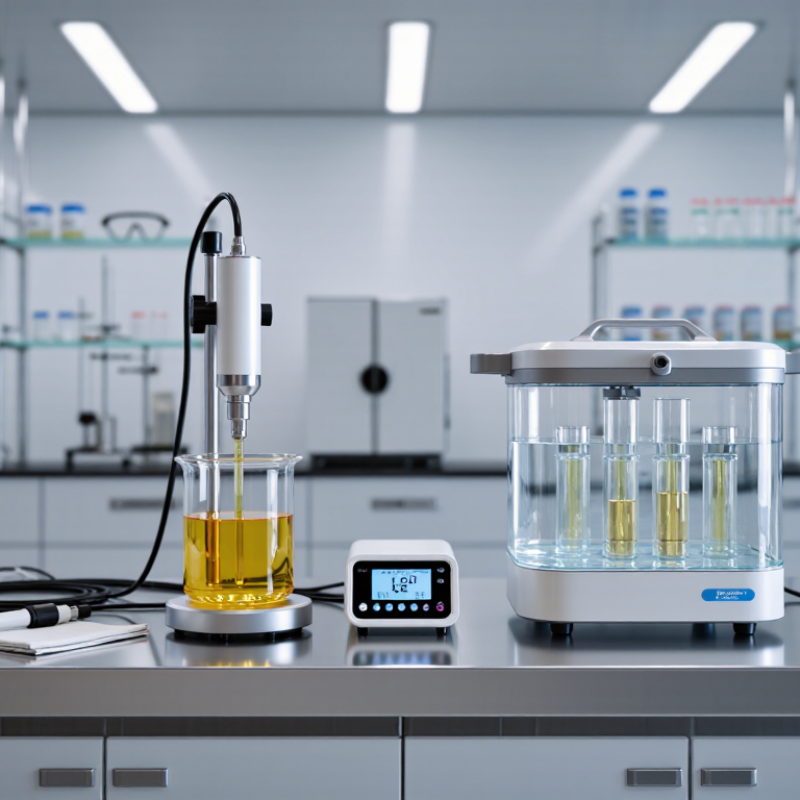
What Is the Best Ultrasonic Extractor in 2026?

What an Ultrasonic Extractor Is and How It Works

An ultrasonic extractor uses high-frequency sound to help solvents move through solid material. Its key mechanism is acoustic cavitation: tiny bubbles form, expand, and collapse in liquid. Their collapse creates localized turbulence and shear, which can loosen compounds from plant or food tissues. It is not magic. The solvent, temperature, particle size, and treatment time still matter.

ISO 2041:2018 defines ultrasonic frequencies as above 20 kHz, while extraction systems commonly operate in the tens of kilohertz. Chemat and colleagues’ review inUltrasonics Sonochemistry (2017, volume 34, pages 540–560) explains how cavitation can improve mass transfer and extraction efficiency. In practical terms, a probe sends sound directly into a beaker; a bath transmits it through the tank wall. Watch the liquid temperature. A warm vessel and uneven bubbling can signal energy is being distributed poorly, and longer treatment is not always better. For a fair comparison, record frequency, delivered power, solvent, sample mass, and temperature—not just the machine’s rated wattage. A few details matter.

Key Features That Determine Extraction Performance

Choosing an ultrasonic extractor in 2026 means looking beyond its advertised wattage. Probe systems concentrate energy in a smaller area, while baths offer more even treatment across several containers. The right choice depends on sample volume, viscosity, and how consistently the system transfers energy into the liquid. Chemat et al.’s 2017 review in Ultrasonics Sonochemistry describes low-frequency, high-power ultrasound, commonly around 20–100 kHz, as a widely used extraction approach. Frequency matters. So does the energy that actually reaches the sample.

Check for adjustable amplitude, reliable temperature control, and a timer or pulsed mode. Cavitation creates local heating; a vessel that feels warm after a short run is a practical warning that the sample may be overheating. A 2017 review also notes that ultrasound can improve extraction efficiency, but outcomes depend on material, solvent, and operating conditions—not the machine alone. Compare delivered power and usable volume, not just the largest number on the product label. Keep the sample depth and vessel position consistent between runs.

A useful extractor should make repeatable tests possible. Record temperature, run time, sample mass, and liquid volume; change one setting at a time. Small details count. Probe wear and cleaning can affect results, yet they are easy to overlook. One honest limitation: published results from a laboratory setup may not transfer neatly to a different vessel or batch size. That uncertainty deserves a test run, not a guess.

What Is the Best Ultrasonic Extractor in 2026? — Key Features That Determine Extraction Performance
Extractor Configuration Typical Frequency Range Best Suited For Performance Advantages Key Limitations Features to Prioritize
Ultrasonic bath Commonly around 35–45 kHz; exact frequencies vary by equipment. Small samples, multiple sealed vessels, and initial method screening. Simple setup; several containers can be processed at once; no probe contacts the sample. Energy transfer to each vessel can be indirect and uneven. Results may vary with vessel position, bath loading, and water level. Temperature monitoring, consistent vessel placement, a suitable bath size, and reproducible operating settings.
Probe-type ultrasonic processor Commonly around 20–40 kHz. Small-to-medium volumes that need focused, adjustable sonication. Direct probe contact can deliver concentrated acoustic energy to the sample; amplitude and pulse settings are often adjustable. Can generate substantial heat. Probe immersion depth, sample volume, and probe condition affect performance; probe wear or erosion may contaminate samples. Adjustable amplitude, pulsed operation, temperature control or cooling, an appropriately sized probe, and a clear method for cleaning and inspection.
Flow-through ultrasonic system Often based on probe-style operating frequencies; the exact range depends on system design. Continuous processing or larger sample throughput. Supports controlled flow and can reduce manual batch handling; useful when processing conditions need to be kept consistent over time. Performance depends on flow rate, residence time, chamber geometry, and heat removal. Scale-up requires validation rather than simply increasing power. Stable flow control, defined residence time, effective cooling, cleanable product-contact surfaces, and repeatable energy delivery.
Industrial ultrasonic tank or reactor Frequency is application- and equipment-dependent; lower-frequency systems are common in many high-power ultrasonic applications. Large batches or production processes requiring a purpose-designed vessel. Can accommodate larger volumes and integrate with production workflows. Acoustic fields may be uneven in large vessels. Mixing, vessel geometry, heat transfer, and loading can affect extraction consistency. Uniform acoustic coverage, suitable mixing, temperature management, process monitoring, and validation at the intended batch scale.
Frequency Lower frequencies generally produce more intense cavitation events; higher frequencies produce smaller cavitation bubbles. Outcomes depend on the sample and operating conditions. Choosing a starting point for a specific material and extraction method. Influences cavitation behavior and can affect cell disruption and mass transfer. Frequency alone does not determine extraction yield or quality. Select based on the material, solvent, target compounds, and results from controlled trials—not on frequency alone.
Delivered acoustic energy Compare measured or method-defined energy delivery where possible; rated electrical power is not the same as energy reaching the sample. Comparing operating conditions and improving repeatability. Helps characterize the sonication actually applied to a sample. Nominal wattage figures are not directly comparable across different designs, probes, vessels, or sample volumes. Record amplitude or intensity settings, sonication time, pulse cycle, sample volume, and temperature alongside equipment power ratings.
Temperature control Set according to solvent, sample, and target-compound stability; there is no universal ideal extraction temperature. Heat-sensitive materials and methods requiring repeatable conditions. Helps limit unwanted heating and improves run-to-run comparability. Ultrasonic energy can warm a sample, and a bath’s displayed temperature may not equal the sample temperature. Measure sample temperature directly when practical; use cooling or pulsed operation if needed.
Process repeatability and safety Not frequency-specific. Any application where results must be reproducible and samples must be handled safely. Consistent procedures make performance comparisons and method transfer more reliable. Noise, aerosols, solvent flammability, and probe or vessel contamination risks depend on the setup. Use suitable shielding, ventilation, compatible vessels and solvents, documented cleaning procedures, and repeatable sample preparation.
Selection note: There is no universally best ultrasonic extractor. The best choice depends on sample volume, material, solvent, target compounds, temperature sensitivity, throughput, and required reproducibility. Typical frequency ranges are general industry ranges; verify operating specifications and validate extraction performance with the intended sample and method.

How to Compare Ultrasonic Extractor Types and Models

What Is the Best Ultrasonic Extractor in 2026?

How to Compare Ultrasonic Extractor Types and Models

Choosing an ultrasonic extractor starts with the task, not the biggest power rating. Bath-style units process several sealed vessels at once and suit routine, lower-intensity work. Probe-style units focus energy into one sample, offering more control but requiring careful adjustment. They can heat samples quickly. Compare working volume, frequency, adjustable power, and temperature control. A 500 mL capacity may sound generous, yet vessel shape and liquid depth affect performance.

Specifications rarely tell the whole story. Check whether the unit supports repeatable settings, displays operating temperature, and allows timed cycles. Consider the materials that contact your sample, the probe’s replaceable parts, and how easily the chamber can be cleaned. Read test methods closely: results from different vessel sizes or settings may not be directly comparable. There is no universal “best” model; the right choice depends on sample sensitivity, batch size, and how consistent your process needs to be.

Tips: Compare models using the same vessel, volume, and cycle time. Keep a simple log of temperature and settings. Small differences matter. And if a result seems unexpectedly good, repeat the test before trusting it.

Choosing the Best Ultrasonic Extractor for Your Needs in 2026

Choosing the best ultrasonic extractor in 2026 starts with the material and batch size, not the highest power rating. A small bath may suit occasional tests with tea leaves or culinary spices. A probe system can deliver energy more directly, but it needs careful positioning and consistent handling. Match the vessel volume to your usual batches. Too much empty space can make results less consistent.

Check whether the unit allows practical control of time, temperature, and output. Ultrasonic energy can warm a sample, so monitor its temperature when heat-sensitive ingredients are involved. Look for a clear operating guide, accessible replacement parts, and surfaces that are straightforward to clean. Small details matter. A timer you can read through a splash guard is useful; a complicated menu may slow routine work.

Ask how you will judge a successful extraction. Color alone can mislead, so define a repeatable measure suited to your application and record each run. Keep the sample amount, liquid volume, vessel, and settings consistent. There is no perfect setting for every material. I would not assume a larger machine is better; it may cost more and still perform poorly with small samples. Compare trial results, noise, cleaning effort, and service support before deciding. A modest unit that fits your workflow can be the better choice.

Applications, Safety, and Maintenance Considerations

Ultrasonic extractors support controlled sample preparation, food research, and recovery of useful compounds from benign plant materials. Cavitation helps liquid reach small pores, but results depend on solvent, temperature, loading, and time. A crowded vessel can produce uneven treatment. Keep samples in compatible containers, leave space around them, and record each run’s settings. Small details matter.

Safety deserves equal attention. Ultrasound can heat liquids and create aerosols, while some solvents release harmful vapors. Use suitable ventilation, compatible gloves, and the solvent’s safety data sheet. NIOSH’s 1998 Criteria for a Recommended Standard: Occupational Noise Exposure sets an 85 dBA recommended limit for an eight-hour workday, with exposure time halved for every 3 dB increase. Measure noise where people work; a closed lid does not prove exposure is low. Not optional.

Maintenance is practical, not glamorous. Check the tank, seals, cables, and liquid level before use; never operate a unit dry. Remove residue promptly, use the recommended cleaning solution, and inspect for corrosion or cracked insulation. Track bath temperature and cycle time, since both can drift between runs. A log helps reveal patterns, though it cannot replace routine inspection. The honest limitation: one “best” setting rarely transfers cleanly between materials or equipment.

Learn More

Connect with us today to learn more about our industrial automation solutions—and how to commission them for your application.