
Connect with us today to learn more about our industrial automation solutions—and how to commission them for your application.
Why Choose a Single Gas Detector for Your Safety Needs?
In today's industrial landscape, safety is paramount. A single gas detector is an essential tool for monitoring hazardous environments. According to a report by the National Institute for Occupational Safety and Health (NIOSH), gas exposure accounts for numerous workplace injuries and fatalities each year. Implementing reliable monitoring systems helps mitigate these risks effectively.
The advantages of using a single gas detector are notable. These devices are compact and user-friendly, allowing for quick deployment in various settings. A study by the Occupational Safety and Health Administration (OSHA) indicates that effective detection can reduce incident rates by up to 50%. Moreover, many single gas detectors provide real-time alerts, ensuring immediate responses to dangerous situations.
While single gas detectors offer numerous benefits, they are not infallible. Calibration and maintenance are crucial. Neglecting these can lead to false readings and potentially dire consequences. Companies must regularly assess their safety protocols. Investing in reliable gas detection solutions is vital for protecting the workforce and enhancing safety compliance.
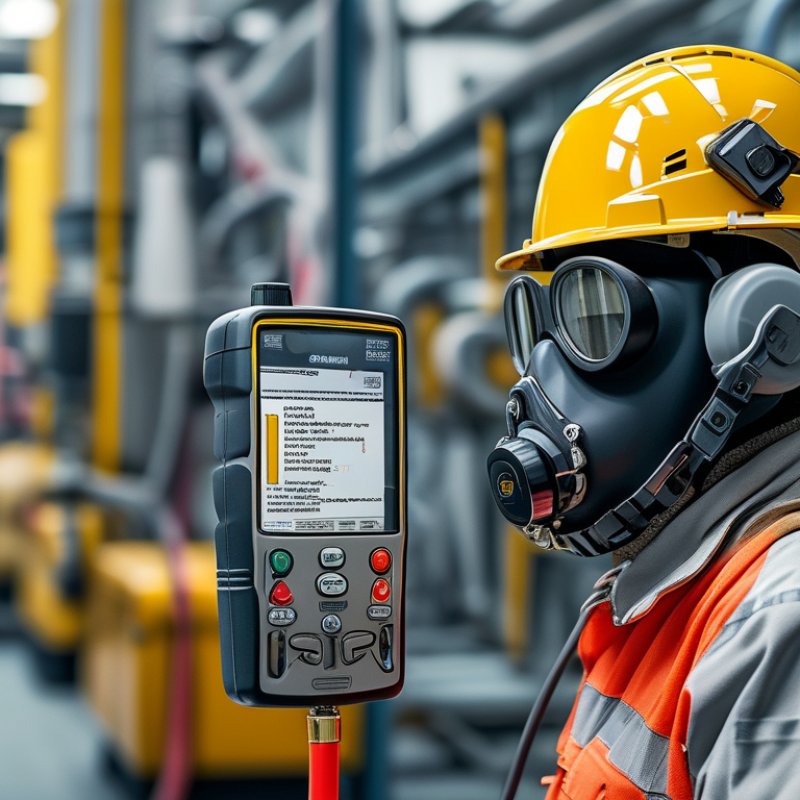
Understanding the Importance of Gas Detection for Safety
Gas detection plays a crucial role in ensuring safety in various environments. Whether at home, in industrial settings, or during outdoor activities, detecting harmful gases early can save lives. The importance of using a reliable gas detector cannot be overstated. It serves as an essential safety tool, alerting users to the presence of dangerous levels of gases such as carbon monoxide, methane, or propane.
When selecting a single gas detector, consider its sensitivity and response time. Look for models that offer clear visual and audible alarms. Regular maintenance and calibration are essential to ensure accuracy. Users should familiarize themselves with the detector's operational guidelines. Test the device periodically to confirm it functions correctly.
Effective gas detection hinges on understanding your environment. Know the types of gases present in your area and select appropriate detectors. Sometimes, it’s easy to overlook these details. Taking a moment to reflect on gas exposure risks can make a difference. Identify potential hazards before emergencies arise. Making informed choices about gas detection can ultimately enhance safety for everyone involved.
Types of Gases Detected by Single Gas Detectors
Single gas detectors are essential for ensuring safety in various environments. They effectively monitor specific gases that can pose serious risks. Common gases detected include carbon monoxide, hydrogen sulfide, and oxygen deficiency. Each gas has distinct dangers, making accurate detection critical.
Carbon monoxide is colorless and odorless, and it can lead to poisoning without warning signs. Hydrogen sulfide emits a rotten egg smell and is toxic at low concentrations. Oxygen deficiency can occur in enclosed spaces, leading to unconsciousness or worse. Thus, understanding the specific hazards of these gases helps you choose the right detector.
When selecting a single gas detector, consider the environment where it will be used. Make sure the detector is suitable for industrial or confined spaces. Regular maintenance is necessary; replace sensors as recommended.
Investing in training is also vital. Knowing how to properly use and respond to alarm signals can save lives. Review your safety protocols frequently, as conditions may change. Awareness can make a significant difference in emergency situations.
Key Features to Look for in a Single Gas Detector
When selecting a single gas detector, consider crucial features for safety. A reliable gas detector should provide real-time monitoring. This ensures that you are immediately alerted to any dangerous gas levels. A clear display helps in quickly understanding the readings. An easy-to-read screen enhances usability, especially in emergency situations.
Another essential aspect is portability. A lightweight and compact design makes the detector easier to carry. Whether in confined spaces or outdoor settings, convenience is key. The battery life of the device is also significant. A long-lasting battery allows for extended use without frequent recharging.
Durability is non-negotiable. Look for models that can withstand harsh conditions, including dust and moisture. An effective gas detector must also feature calibration reminders. Users can forget to calibrate devices regularly, which can lead to false readings. Lastly, ensure the detector has reliable customer support. Having access to professional assistance can make a difference, particularly when issues arise.
Advantages of Using a Single Gas Detector Over Multi-Gas Options
When it comes to ensuring safety in environments with potential gas hazards, a single gas detector can offer distinct advantages. Unlike multi-gas detectors, a dedicated single gas unit focuses solely on one specific gas. This concentrated design enhances sensitivity and accuracy. For workplaces with known gas threats, this simplicity can be a significant benefit. Users can trust that the device is fine-tuned for optimal performance in detecting their specific risk.
Consider using a single gas detector if your environment includes a single gas type, such as carbon monoxide or hydrogen sulfide. This choice reduces complexity. Less can go wrong when you narrow the scope. A dedicated detector typically has a longer battery life and easier maintenance. Fewer components also mean lower chances of malfunction, which can lead to higher reliability in emergencies.
Remember to assess the specific risks in your workspace. Is the detector calibrated correctly? Regularly review your safety procedures and detector performance. This becomes crucial for maintaining a reliable safety net. Always ensure that staff are trained. Familiarity with the device ensures that everyone knows how to respond effectively. Safety is not just about having devices; it's about understanding how to use them correctly.
Single Gas Detector vs Multi-Gas Detector: Safety Advantages
Best Practices for Maintaining Your Single Gas Detector
Maintaining your single gas detector is crucial for ensuring safety. Regular checks help identify if the detector is functioning correctly. Calibration should occur at least yearly. This process ensures that the device accurately measures gas levels. It's not uncommon for users to overlook this step. An uncalibrated detector may give false readings, potentially leading to dangerous situations.
Routine visual inspections also play a key role. Inspect the detector for any physical damage or wear. Look for cracks or loose parts. A damaged detector is unreliable. Ensure that sensors are clean and free from dust. Sometimes, simple maintenance can extend the life of your equipment.
Batteries require attention, too. Check battery life regularly. A detector will not operate effectively without adequate power. Consider practicing routine replacement even if the battery appears functional. This precaution can save you from unexpected malfunctions. Remember, neglecting maintenance can compromise your safety. Staying proactive ensures that your gas detector remains a reliable safeguard.