How to Choose the Right Mechanical Flange for Your Needs?
Choosing the right Mechanical Flange is crucial for ensuring optimal performance in various industrial applications. According to recent industry reports, the mechanical flange market is projected to reach $5 billion by 2025, driven by rising demands in sectors like oil and gas, chemicals, and manufacturing. Selecting the appropriate flange not only affects system efficiency but also impacts safety and operational costs.
Different types of mechanical flanges serve specific purposes. For instance, welded flanges offer enhanced strength, while slip-on flanges are easier to install. A mismatch between flanges can lead to leaks or failures, costing companies significantly. Thorough research and expert advice are essential when navigating this complex market. Each application has unique requirements, so understanding the material, size, and pressure rating is critical.
However, the decision-making process can be overwhelming due to the variety of options available. Even experienced engineers sometimes overlook key factors. It’s vital to assess each project’s needs thoroughly and consult with reliable manufacturers. By doing so, organizations can ensure they choose the right mechanical flange that aligns with their operational goals.
Understanding Mechanical Flanges: Types and Applications
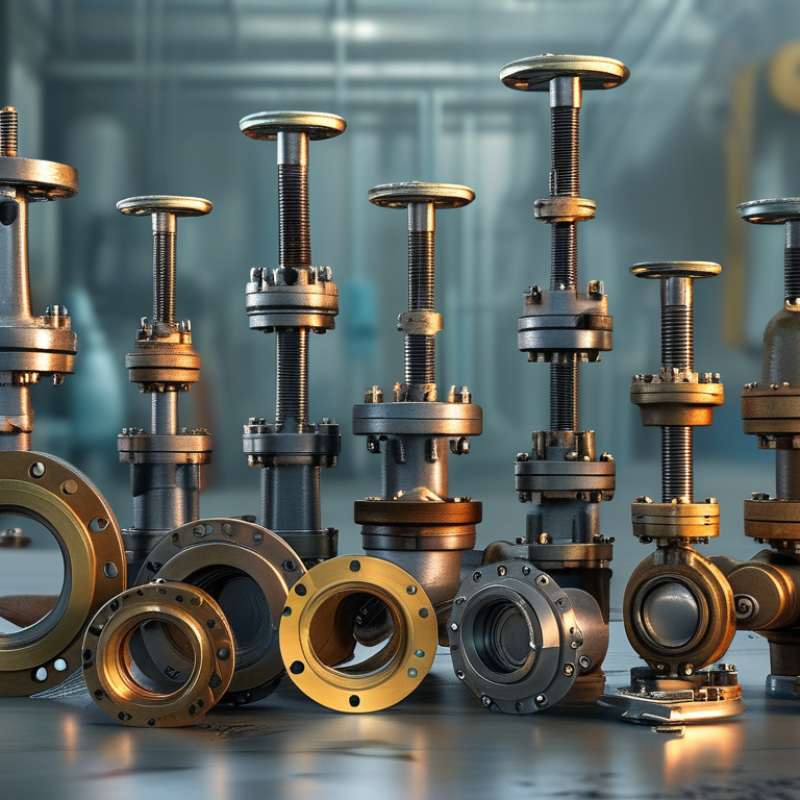
Understanding mechanical flanges is vital for efficient piping systems. Flanges serve as connection points in various applications. They come in different types: welding neck, slip-on, blind, and threaded. Each serves a specific purpose based on pressure requirements, fluid types, and installation conditions. For example, welding neck flanges are ideal for high-pressure systems. Slip-on flanges are easy to install and are great for low-pressure applications.
When selecting a flange, consider the material. Common materials include stainless steel, carbon steel, and PVC. Each material has its strengths and weaknesses. Stainless steel resists corrosion but can be more expensive. PVC is lightweight but less durable under high pressures.
Tips: Always verify compatibility with your existing system. Poor compatibility can lead to leaks or failures. Regular inspections are crucial for maintaining flange integrity. If you notice corrosion or wear, replace the flange promptly to avoid costly downtime. Remember, even minor flange defects can compromise the entire system.
How to Choose the Right Mechanical Flange for Your Needs?
| Flange Type | Material | Pressure Rating (PSI) | Application |
| Weld Neck Flange | Carbon Steel | 1500 | High Pressure Systems |
| Slip-On Flange | Stainless Steel | 300 | General Applications |
| Blind Flange | Alloy Steel | 600 | Sealing Ends of Piping |
| Socket Weld Flange | Carbon Steel | 1500 | High Pressure and Temperature |
| Threaded Flange | Stainless Steel | 300 | Applications Where Welding is Not Feasible |
Factors to Consider When Choosing a Mechanical Flange
Choosing the right mechanical flange requires careful consideration of several factors. One key aspect is the flange material. Materials like stainless steel and carbon steel are commonly used due to their durability and resistance to corrosion. According to industry data, 45% of mechanical failures stem from improper material choices. Selecting a flange made from the right material can significantly enhance system reliability.
Another important factor is the flange size. Incorrect sizing can lead to leaks and other issues. Studies show that nearly 30% of mechanical joints fail due to improper sizing. It is crucial to measure pipe diameters accurately and ensure that the flange's specifications align with your system's requirements. Additionally, compatibility with existing pipes and fittings should be assessed to avoid purchasing mismatched components.
Lastly, consider the pressure ratings and temperature tolerances of the flanges you are evaluating. Flanges are rated according to their ability to handle pressure safely, which is critical in high-stress applications. Research indicates that up to 25% of flange-related accidents occur due to overlooked pressure ratings, highlighting the importance of this aspect. Invest time in evaluating these factors for a reliable, efficient system.
Material Selection for Mechanical Flanges
When selecting the right material for mechanical flanges, several factors come into play. The operating environment is crucial. Certain materials can withstand extreme temperatures and corrosive substances better than others. For instance, stainless steel is known for its corrosion resistance but may not be suitable in high-temperature applications. Evaluating the specific conditions can help you avoid costly mistakes.
Another important aspect is the mechanical properties of the material. Strength and durability are paramount. Not all materials offer the same level of resistance to stress and fatigue. Aluminum is lightweight but often lacks the strength of steel. Many engineers find themselves torn between weight and strength, which leads to deeper reflection on material choices.
Cost is also a significant factor in material selection. While opting for high-quality materials may initially seem more expensive, the long-term savings from durability and reduced maintenance costs often outweigh the initial investment. Balancing these considerations requires experience and careful analysis. Ultimately, making the right choice is not always clear-cut, and learning from past decisions can inform better choices in the future.
Compatibility with Piping and Equipment Standards
Choosing the right mechanical flange requires careful attention to compatibility with piping and equipment standards. Every industry has specific requirements. Different materials and flange types exist for various applications. Understanding these standards is vital for ensuring a secure connection.
Flanges must match the dimensions of the pipes and equipment involved. Factors such as diameter, pressure rating, and material must align. Mismatched flanges can lead to leaks and operational failures. Many organizations use standardized measurements, but variations can occur. It's essential to verify dimensions before making a decision.
Selecting a flange is not always straightforward. You may face challenges when dealing with unique applications. In some cases, older systems require flanges that may not be readily available. This can complicate maintenance and upgrade procedures. It’s important to consult with experts who understand industry standards. Their insight can prevent costly mistakes and enhance project reliability.
Mechanical Flange Compatibility with Piping Standards
This bar chart illustrates the compatibility of different mechanical flanges with various piping standards. The counts represent the number of flange types available for each standard. ANSI and ASME flanges show the highest compatibility, indicating their widespread use in the industry.
Installation and Maintenance Considerations for Mechanical Flanges
Installation and maintenance of mechanical flanges are crucial for system integrity. Proper installation directly impacts performance and lifespan. According to a report from the American Society of Mechanical Engineers, poorly installed flanges can lead to leaks in up to 30% of industrial applications. This highlights the importance of following installation guidelines closely.
Before installation, ensure that the flange faces are clean and damage-free. Dirt or scratches can compromise the seal. Use a torque wrench to apply the correct torque settings. Over-tightening is a common mistake that can cause flange deformation. Adequate observance of torque specifications can significantly reduce failure rates.
Maintenance also plays a vital role in flange reliability. Regularly inspect for signs of wear or corrosion. An estimated 25% of flanges fail due to external factors, such as environmental conditions. Employing routine checks can avoid costly disruptions. Additionally, consider the use of protective coatings or insulation to mitigate risks. These small steps can significantly enhance longevity and functionality in the long run.