
How to Choose the Best Geological Exploration Cutting Tools?

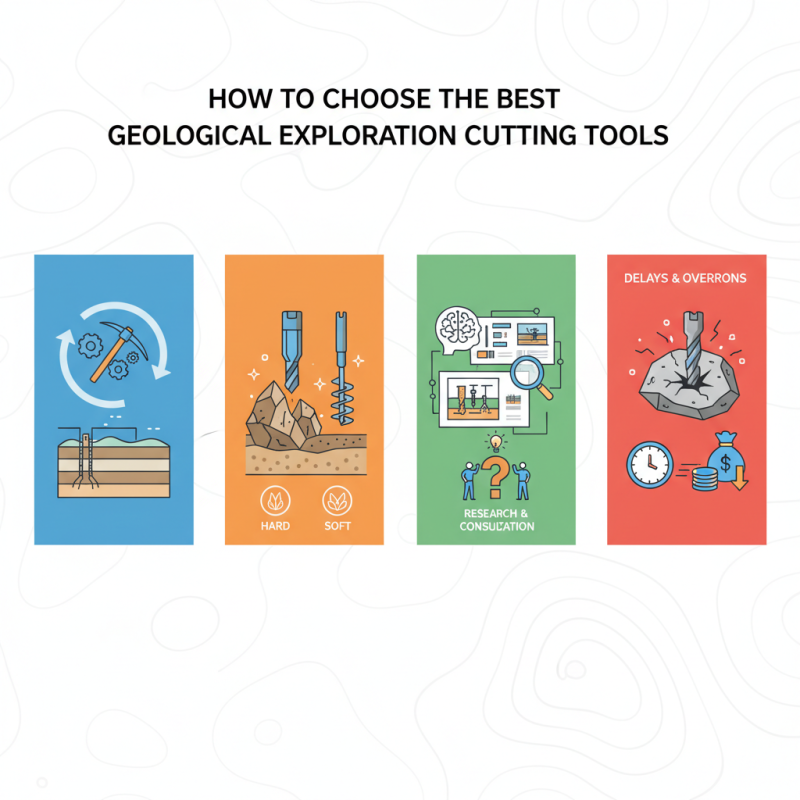
Choosing the right Geological Exploration Cutting Tools is critical for successful projects. These tools influence efficiency and accuracy. Poor selections can lead to project delays and budget overruns.

In the diverse landscape of geological exploration, not all cutting tools are created equal. Some tools excel in rock formation, while others perform better in softer materials. It's essential to understand the specific requirements of your project. This understanding can guide you to the most suitable tools.

Many professionals often overlook the importance of tool compatibility with the geological conditions. This oversight might result in unexpected challenges. Therefore, thorough research and expert consultation are vital. Engaging with experienced teams can provide invaluable insights into the best practices and choices in this field.
How to Choose the Best Geological Exploration Cutting Tools?

Types of Geological Exploration Cutting Tools Available on the Market

Geological exploration requires specific cutting tools tailored to various types of soil and rock. Among the commonly used tools are rotary drill bits, core barrels, and augers. Each tool has unique advantages. For instance, rotary drill bits excel in hard rock environments, while augers are more efficient in softer soils. It’s crucial to select tools based on the geological conditions.

Apart from these, percussion drills are popular for their speed. They can penetrate hard materials quickly, but they may not provide a good sample. Core sampling tools, on the other hand, preserve the integrity of the geological samples, which is essential for analysis. Understanding the geological setting is vital for selecting the appropriate tool.

The market also features specialized tools, like diamond-tipped bits for extremely tough formations. However, these can be costly and require careful handling. Not every geological survey needs the most advanced tools. Sometimes, simpler options may yield satisfactory results. Reflecting on past projects can help guide current tool choices. Balancing cost and effectiveness is key in geological exploration.

How to Choose the Best Geological Exploration Cutting Tools? - Types of Geological Exploration Cutting Tools Available on the Market

Tool Type Material Application Advantages Disadvantages
Diamond Core Bits Diamond Rock drilling High durability, precision drilling Expensive, requires specialized equipment
Tricone Bits Steel or tungsten carbide Oil and gas drilling Versatile, good for various formations Can wear out quickly in hard rock
Auger Bits High carbon steel Soil sampling Lightweight, easy to handle Not suitable for hard materials
Percussion Tools Steel Rock breaking Effective for hard rock Can cause vibrations, labor-intensive
Hydraulic Hammer Steel with hydraulic mechanism Heavy rock excavation Powerful and efficient Requires heavy machinery

Factors to Consider When Selecting Cutting Tools for Geological Exploration

Choosing the right cutting tools for geological exploration is crucial. Several factors significantly impact selection. Understanding the geological conditions is vital. Different formations require specific tools for effective penetration. For instance, soft soils might need softer cutting edges, while harder rock formations demand robust materials.

Tool materials greatly influence durability and performance. High-carbon steel and tungsten carbide are popular choices. According to industry reports, tools made from tungsten carbide can last up to three times longer than those made from standard steel. However, their higher cost can present a budget challenge. It's essential to weigh the long-term value against initial expenditure.

Additionally, tool design is a key consideration. The geometry of cutting edges affects efficiency and sample quality. A poorly designed tool can lead to inaccurate assessments of geological formations. Reports indicate that up to 15% of drilling failures are attributed to inadequate tool performance. Regular assessments and adjustments in tool selection can prevent future challenges and improve exploration outcomes.

Best Geological Exploration Cutting Tools: Comparison of Features

Material Composition and Durability of Geological Cutting Tools

When selecting geological exploration cutting tools, understanding material composition is crucial. Different materials influence durability and performance under extreme conditions. Common materials include high carbon steel, tungsten carbide, and polycrystalline diamond. Each has unique properties that affect wear resistance and toughness.

High carbon steel is often favored for its cost-effectiveness. Yet, it may struggle under heavy wear conditions. In contrast, tungsten carbide features exceptional hardness. Data indicates that tools made from tungsten carbide can last up to three times longer than those made from traditional steel. However, it comes at a higher price point. Polycrystalline diamonds offer unparalleled cutting performance, particularly in abrasive environments. Despite their cost, they provide the benefit of fewer tool changes, ultimately saving time and money.

Choosing the right material requires careful consideration of the drilling environment. Poor material choices can lead to frequent tool replacements. This not only drives up costs but can also affect project timelines. Balancing durability with cost is essential in making an informed decision. Regular assessments of tool performance in the field can help in refining these choices.

Cost Analysis: Budgeting for Geological Exploration Equipment

Choosing the right cutting tools for geological exploration involves a careful cost analysis. A 2022 report from the Geological Society indicates that 30% of project budgets often allocate funds to equipment procurement. This makes understanding your financial limits essential. Determining the types of geological tools needed can prevent overspending on unnecessary items.

When budgeting, consider that high-quality cutting tools may initially seem costly. However, the long-term savings in efficiency and durability can justify the investment. A comprehensive tool inventory should be maintained. This includes drill bits, water jet cutters, and rotary tools. Regular evaluations of equipment performance are crucial to ensure they meet project demands.

Tip: Always compare multiple suppliers to negotiate better pricing. You might find that slightly used tools offer significant savings without compromising quality. Additionally, account for maintenance costs in your budget. This often overlooked aspect can impact overall project costs substantially, with maintenance potentially consuming 15% of your operating budget over time.

Ultimately, while focusing on price, do not sacrifice quality. Cost-effective choices in geological tools can boost project accuracy and reliability. Proper financial planning ensures efficient resource allocation for successful explorations.

Maintenance and Care Tips for Geological Cutting Tools

When it comes to geological cutting tools, maintenance is crucial for optimal performance. Regularly inspect your tools for wear and tear. Look for any signs of rust or damage. Keeping the tools clean is essential. Soil, dust, and debris can affect their efficiency. A simple brush or cloth can do wonders.

Storage plays a key role in tool longevity. Store them in a dry, cool place. Humidity can lead to rust issues. Using appropriate cases or racks can help organize them, preventing accidents. Lubricate moving parts regularly to ensure smooth operation. This not only enhances performance but also decreases the potential for failure.

Also, be mindful of how you use these tools. Rushing through a task can lead to improper use, causing unnecessary damage. Understand the specifics of each tool. Some are better suited for certain materials than others. Reflect on any past experiences that might inform your practices. Taking care of your geological cutting tools goes beyond upkeep; it involves understanding their needs and treating them with respect.

Learn More

Connect with us today to learn more about our industrial automation solutions—and how to commission them for your application.