
Connect with us today to learn more about our industrial automation solutions—and how to commission them for your application.
How to Choose Coloured Cable Sleeving in 2026?
Choosing the right Coloured Cable Sleeving in 2026 is more than matching a wire to a favourite colour. In workshops, vehicles, control panels, and custom computers, sleeving must protect cables while keeping them easy to identify. A bright red sleeve may improve visual tracing, but it can fade beside a sunny window. A tight sleeve may look neat, yet restrict movement around sharp bends. Small details matter.
My experience with cable assemblies shows that material selection should come before appearance. PET braided sleeving offers flexibility, abrasion resistance, and a wide colour range. Fiberglass sleeving can suit higher-temperature areas, but it may feel rough and require careful handling. Split sleeving supports quick installation, although it may not provide the same polished finish. Check the cable diameter, expansion range, operating temperature, flame performance, and chemical resistance against the manufacturer’s datasheet and test reports. Do not rely on colour alone. It is not enough.
This guide explains how to compare coloured sleeving for different environments in 2026. It considers durability, installation speed, maintenance, visibility, and sustainability claims. Some products advertise recycled content, but the evidence may be unclear. Ask for verifiable specifications. Consider UV exposure, oil contact, vibration, and repeated flexing before choosing a product. A sleeve that performs well on a desk may fail inside an engine compartment. The best decision balances technical performance, safety expectations, appearance, and long-term value. There is no universal winner. That is the part many buying guides overlook.
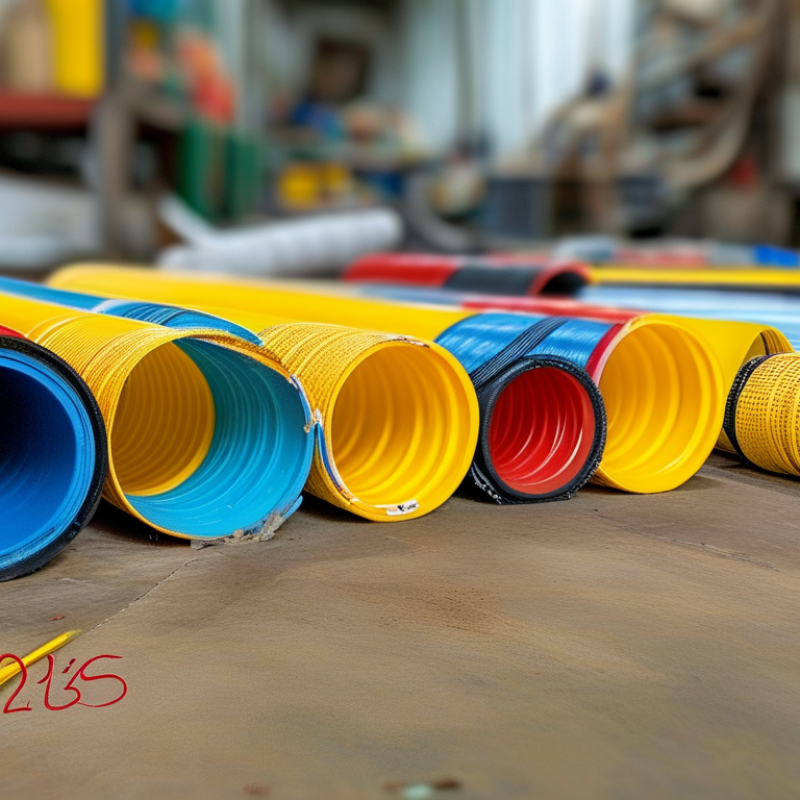
Understanding Coloured Cable Sleeving and Its Main Functions
Coloured cable sleeving is more than a visual upgrade. It creates a protective layer around wires, reducing abrasion from sharp edges, repeated movement, and nearby equipment. In workshops, a red sleeve can mark power conductors, while blue may identify a sensor or communication line. Clear colour systems make maintenance faster, especially inside crowded control cabinets.
The material matters. Braided sleeving expands around irregular cable bundles and allows flexible routing. Heat-shrink sleeving creates a tighter finish, but it needs controlled heating and accurate sizing. Measure the cable bundle before ordering. A sleeve that is too narrow may pinch connectors, while an oversized sleeve can slip during installation. I have seen neat-looking assemblies fail because this simple check was skipped.
Temperature, chemical exposure, moisture, and friction should guide the selection. Check the product’s technical data, including operating temperature and flame-performance information. Colour stability also matters near sunlight, oils, or repeated cleaning. Sleeving does not automatically replace electrical insulation. That assumption can create a serious design weakness. Use it with properly rated cables, connectors, and protective devices. Recheck the installation after movement tests, because a sleeve can shift even when the first inspection looks perfect.
Identifying Cable Types, Sizes, and Required Sleeving Dimensions
Choosing coloured cable sleeving in 2026 begins with identifying the cable, not matching its colour. Power cables need different protection from control, coaxial, data, or fibre-optic cables. Check the cable’s outside diameter, flexibility, heat exposure, bend radius, and contact with oil or abrasion. The International Energy Agency reported nearly 14 million electric cars sold globally in 2023, increasing demand for organized, protected wiring in vehicles and charging equipment.
Measure the cable bundle at its widest point. Add about 10–20% clearance for easy installation, but avoid excessive looseness. For example, a 12 mm bundle may suit sleeving with a 14–16 mm relaxed diameter. Confirm both the minimum and maximum expansion ranges. Braided sleeving expands, while heat-shrink sleeving depends on its shrink ratio and recovery diameter. Cut extra length for bends, connectors, and end termination. Small details matter.
Colour improves identification, but it does not replace labels or technical records. Use contrasting colours for power, signal, and communication circuits, then verify the scheme against IEC 60445 identification practices. For heat, flame, and insulation requirements, consult the relevant cable and sleeving specifications, including IEC 60684 where applicable. A common workshop mistake is sizing only the cable, not the connector. It seems minor, yet the connector often blocks installation. Recheck the largest section before ordering.
Comparing Materials, Colours, Finishes, and Environmental Resistance
How to Choose Coloured Cable Sleeving in 2026?
Material selection should follow the cable’s working environment, not only its appearance. PET braided sleeving offers flexibility, abrasion resistance, and easy installation around connectors. Nylon can provide a tighter, more structured finish, but it may absorb moisture over time. Silicone-coated fiberglass suits high-temperature areas, although it usually costs more and feels less flexible. Polyolefin heat-shrink sleeving gives strong insulation and a neat seal, but it is less convenient for cables requiring future access.
Colour improves identification, especially inside control cabinets or service panels. Use contrasting colours for power, signal, and communication routes. Bright shades can make inspection faster, yet ultraviolet exposure may cause fading near windows or outdoor equipment. Finish also changes performance. A smooth surface cleans easily. A braided or textured surface hides minor scuffs and bends naturally. Matte finishes reduce glare, while glossy finishes may look cleaner at first. That impression can be misleading.
Tips: Check temperature, moisture, oil, dust, and abrasion before choosing. Test a short sample on the actual cable. Bend it repeatedly. Expose it to the expected heat and cleaning fluids. I once selected a sleeve mainly for its colour, and the weave loosened near a sharp bracket. That mistake was avoidable. Allow extra diameter around connectors, but avoid excessive looseness. Review the sleeve after installation, because real routing conditions often reveal problems that product data cannot.
How to Choose Coloured Cable Sleeving in 2026?
Comparing materials, colours, finishes, and environmental resistance
Checking Safety Standards, Installation Methods, and Compatibility
How to Choose Coloured Cable Sleeving in 2026?
Colour should support identification, not hide poor cable management. During field inspections, I check the sleeve’s temperature rating, flame behaviour, abrasion resistance, and chemical compatibility. The United States Fire Administration reports that electrical malfunction caused 13.7% of residential building fires from 2014 to 2018. A sleeve cannot correct damaged insulation.
Check test evidence before choosing a colour. IEC 60332-1-2 evaluates vertical flame propagation on insulated wires. IEC 60695-11-10 examines plastic burning behaviour. These standards do not automatically prove full system safety. Confirm the sleeve’s rating matches the cable, connector, enclosure, and operating environment. For automotive work, compare the product with ISO 6722 temperature and abrasion requirements. For industrial panels, verify the installation rules under the applicable edition of NFPA 70.
Installation details matter. Measure the cable bundle before sleeving. Allow extra length near bends and terminals. A sleeve pulled too tightly may split during vibration. A loose sleeve may snag on sharp edges. Use heat carefully, because uneven heating can shrink one side faster. I once found a visually neat installation with hidden compression damage. It passed a basic inspection, but the method needed reconsideration.
Tips:
Keep a sample sleeve on the cable for 24 hours. Check movement, colour stability, and heat exposure. Separate power and signal groups with clear colour coding. Record the standard, batch, and installation date. That small record improves traceability.
Selecting the Best Sleeving for Your Project and Maintenance Needs
How to Choose Coloured Cable Sleeving in 2026?
Selecting the Best Sleeving for Your Project and Maintenance Needs
In practical cable work, sleeving choice starts with the environment, not the colour chart. I check heat, abrasion, moisture, chemicals, movement, and cleaning methods. A braided PET sleeve suits many dry panels and harnesses. It expands around connectors and remains easy to inspect. For sharp edges, a tighter weave or added edge protection may be safer. Heat-shrink sleeving gives a neat seal, but it complicates later repairs. That trade-off matters.
Measure the cable bundle at its widest point, then compare it with the sleeve’s published expansion range. Do not size by nominal cable diameter alone. An overfilled sleeve can split during installation. An oversized sleeve may sag, trap dirt, or hide damaged insulation. For maintenance work, choose a design that opens or slides without removing terminals. Use contrasting colours to separate power, signal, and service loops. However, colour is not a substitute for labels or inspection records. Colours fade. Check resistance to sunlight and cleaning agents before outdoor use.
I once selected sleeving by appearance and ignored connector clearance. The installation looked tidy, yet the bend radius became too tight. That mistake caused rework. Now I test a short sample under real routing conditions. I flex it, pull it over fittings, and leave it near operating heat. Then I inspect fraying, shrinkage, colour change, and movement. Supplier datasheets are useful, but a sample test exposes assumptions. Record the chosen size, material, colour, and installation date for future servicing.
| Selection Dimension | Expandable PET Braided Sleeving | Flame-Retardant PET Braided Sleeving | Heat-Shrink Polyolefin Sleeving | Silicone-Coated Fiberglass Sleeving | Nylon Multifilament Sleeving |
|---|---|---|---|---|---|
| Typical Material | Polyethylene terephthalate monofilament | Flame-retardant PET monofilament | Cross-linked polyolefin | Fiberglass braid with silicone coating | Woven nylon multifilament |
| Typical Operating Temperature | -50°C to +150°C | -50°C to +150°C | -55°C to +135°C | -60°C to +200°C | -40°C to +125°C |
| Available Colour Approach | Solid colours, mixed colours and visual coding | Solid colours, commonly selected for safety identification | Solid colours; colour choice remains after recovery | Usually solid colours with a protective outer coating | Solid colours and decorative textile patterns |
| Recommended Cable Bundle Fill | Allow approximately 10% to 25% clearance for easy installation | Allow approximately 10% to 25% clearance for easy installation | Choose a recovered inner diameter smaller than the bundle diameter | Choose a sleeve with an inside diameter slightly larger than the bundle | Allow approximately 10% to 20% clearance for cable movement |
| Expansion or Shrinkage | Typically expands by approximately 50% to 100% of nominal diameter | Typically expands by approximately 50% to 100% of nominal diameter | Common shrink ratios are 2:1 and 3:1 | Generally non-shrink; flexible braided construction | Limited expansion; flexible woven construction |
| Installation Method | Feed cables through the sleeve; secure ends with clips, tape or heat-shrink tubing | Feed cables through the sleeve; secure ends after routing | Position over the cable and recover with controlled heat | Feed cables through; cut with a suitable hot knife or seal cut ends | Feed cables through; secure ends to prevent fraying |
| Flexibility and Routing | Very flexible; suitable for bends, branches and moving cable groups | Very flexible; suitable for routed harnesses requiring added flame resistance | Flexible after recovery but less suitable for frequent rework | Flexible and highly resistant to heat-related hardening | Flexible for light-duty routing and cable identification |
| Mechanical Protection | Good abrasion and scuff protection | Good abrasion protection with improved flame performance | Good abrasion, moisture and environmental sealing when properly recovered | Excellent protection from heat, abrasion and electrical arcing | Moderate abrasion and surface protection |
| Flame Performance | Standard PET versions may not meet a required flame rating | Designed for applications requiring improved flame resistance; verify the tested rating | Some formulations meet recognised flame-retardant requirements; verify the product test standard | Often selected for high-temperature and flame-exposure environments; verify certification | Flame performance varies significantly by construction and finish |
| Moisture and Chemical Resistance | Good resistance to moisture and many common chemicals | Good resistance to moisture and many common chemicals | Good moisture resistance and suitable for many oils and chemicals | Very good resistance to moisture, heat and many industrial fluids | Moderate moisture resistance; performance depends on the nylon grade |
| UV and Outdoor Suitability | Suitable for many indoor and protected outdoor applications; check UV stability | Suitable where flame resistance is important; confirm outdoor UV performance | Good outdoor potential when the formulation is UV-stabilised | Well suited to demanding outdoor and high-temperature environments | Best for indoor or protected installations unless UV-stabilised |
| Maintenance and Rework | Easy to remove and reinstall; ideal for serviceable harnesses | Easy to remove and reinstall while preserving colour coding | Usually requires cutting for removal and replacement | Can be removed and replaced, but cut-end handling may be required | Easy to remove and reinstall; inspect for fraying during service |
| Best Project Use | General harness management, equipment wiring and visual cable grouping | Control panels, transport equipment and installations with flame-resistance requirements | Permanent protection, sealing, strain relief and moisture-resistant terminations | High-temperature machinery, engine compartments and industrial heat zones | Light-duty harnesses, office equipment and applications prioritising appearance |
| Colour Selection Guidance | Use contrasting colours to separate power, signal and communication cable groups | Use safety-related colours only when they match the applicable site standard | Use colours consistently for phase, function or maintenance identification | Use a high-contrast colour when the sleeve must remain visible in a hot work area | Use colour primarily for organisation and visual identification in protected locations |
| Key Limitation | Does not provide a sealed termination by itself | Flame performance depends on the exact construction and test method | Requires correct heat control and cannot normally be reused after recovery | Usually bulkier and more costly than textile braided sleeving | May absorb moisture and can fray if cut without suitable end treatment |
Selection note: Temperature ranges, shrink ratios, flame classifications, chemical resistance and colour durability are typical industry values and vary by construction. Confirm the manufacturer’s technical datasheet before specifying the sleeving.
Practical sizing rule: Select the smallest sleeve that can pass over the largest connector or cable section while allowing the finished bundle to flex without excessive compression.