
How to Choose the Right Full Voltage Magnetic Starter?

Choosing the right Full Voltage Magnetic Starter is crucial for efficient motor control. These devices play a vital role in electrical systems. They protect motors from overloads and ensure smooth operation. However, selecting the right one can be challenging. Several factors come into play.

Consider the motor's specifications. The starter must match the voltage and current requirements. Also, think about the application. Different industries have unique needs. You may face uncertainty in determining the best fit. Consulting with experts or manufacturers can provide valuable insights.

Quality matters when choosing a Full Voltage Magnetic Starter. Look for reputable brands with a track record. Verify their certifications and compliance with industry standards. User experiences and reviews can also help guide your decision. A well-informed choice will enhance reliability and safety in your applications.
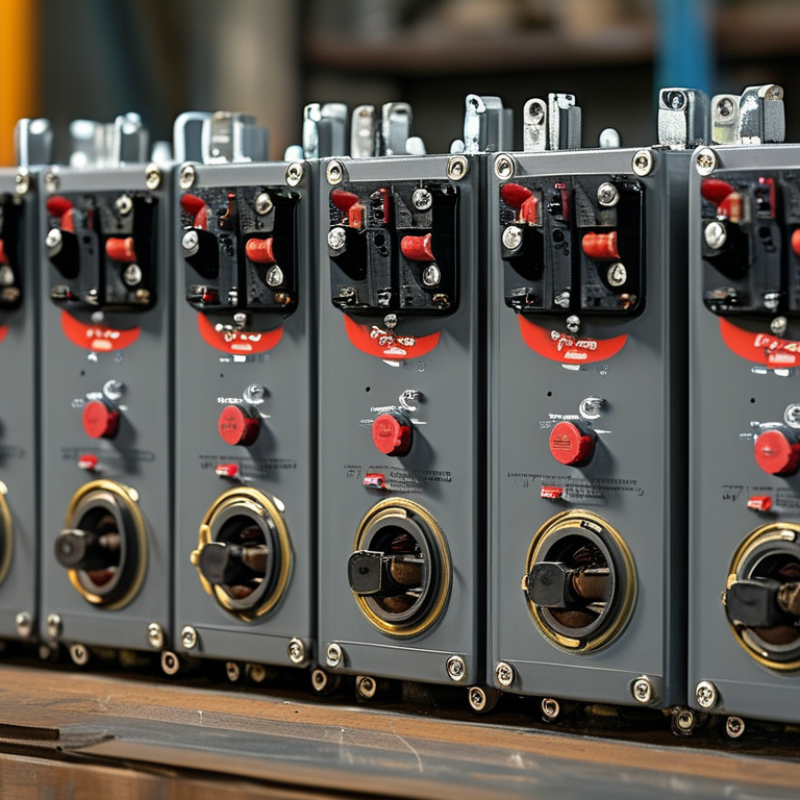
How to Choose the Right Full Voltage Magnetic Starter?

Understanding Full Voltage Magnetic Starters and Their Applications

Full voltage magnetic starters are essential in industrial applications. They control the power supply to electric motors. Understanding how they work is key to using them effectively. These starters are designed to provide a simple on/off control for motors. They can handle high starting currents that motors require. Knowing their specifications can help you choose the right one for your needs.

When selecting a magnetic starter, consider the motor's horsepower rating. This rating directly influences the type of starter you need. Ensure the starter can handle the starting current safely. It's also vital to assess environmental conditions. Factors like temperature and humidity impact performance. Choose a starter rated for your work environment.

Tips: Always read installation manuals carefully. This helps avoid common mistakes that can compromise safety. Monitor your starters regularly for signs of wear. Neglect can lead to unexpected failures. Consult with an expert if unsure about specifications. The right choice can make a significant difference in operational efficiency.

Key Factors to Consider When Selecting a Magnetic Starter

Choosing the right full voltage magnetic starter is crucial for reliable motor control. One key factor to consider is the voltage rating. Ensure the starter matches your motor voltage. Mismatched voltage can cause overheating or operational failure. Additionally, look at the starter's current rating. This rating should accommodate the motor's full-load current to prevent damage.

Another important aspect is the environmental conditions where the starter will operate. Consider factors like temperature and humidity. A starter designed for harsh conditions can provide better longevity and performance. Evaluate the installation space as well. Some starters require more room for wiring and maintenance.

Finally, consider the features offered by the starter. Options such as overload protection can enhance motor safety. However, not all features are necessary for every application. It's essential to reflect on your specific needs and avoid overcomplicating your setup. Choosing the right starter involves balancing features and operational requirements.

Types of Full Voltage Magnetic Starters and Their Features

Full voltage magnetic starters are essential in electric motor applications. They enable smooth motor control and protection. Understanding different types of starters is vital for making informed decisions. There are several common types, each with unique features.

Direct-on-line (DOL) starters are frequently used in small motors. They provide a straightforward, low-cost solution. However, they may cause high starting currents, which can stress the motor. Reduced voltage starters offer better control for larger motors. They minimize starting current, reducing wear and tear. According to a report by the Electrical Engineering Association, reduced voltage starters can cut starting current by up to 60%.

Another option is the reversing starter. This type allows motor rotation in both directions. It's commonly found in applications like conveyor systems. However, configurations may become complex and require additional components, raising costs. A recent study indicated that nearly 30% of installations struggle with complex wiring setups. Understanding each starter's limitations and benefits is critical in selecting the right type for specific applications.

Installation and Wiring Considerations for Magnetic Starters

When considering installation and wiring for full voltage magnetic starters, safety and compliance are paramount. Proper wiring ensures the efficient operation of electrical motors. According to industry reports, improper installation can lead to operational failures, which may cost businesses thousands in downtime. Understanding local codes can greatly reduce these risks.

Tips: Always refer to NEC guidelines when wiring devices.

In selecting cables, ensure they can handle the required current load. Industry data suggests that wire sizes directly impact the starter’s performance. Undersized wires may overheat, leading to potential failures. In addition, selecting the right control voltage reduces the risk of malfunctions. For example, using a lower control voltage can enhance safety for maintenance personnel.

Tips: Check connections regularly for signs of wear and corrosion.

Experience shows that proper terminal connections are crucial. Loose connections lead to increased resistance and heating. Always use tools to verify tightness. Regular inspections can identify problems before they escalate, ensuring longevity for your magnetic starter system.

Maintenance Tips for Ensuring Optimal Performance of Starters

Maintaining your full voltage magnetic starters is crucial for optimal performance. Regular inspections help identify wear and tear. Check the contact points and coil condition frequently. Over time, components can degrade. Addressing small issues early can prevent larger failures later.

Lubrication is another important aspect of maintenance. Use the appropriate grease for moving parts. Too much or too little can impact performance. Inspect the electrical connections, ensuring they are tight and free of corrosion. A loose connection can lead to overheating.

Don’t ignore the environment where starters are located. Dust and moisture can contribute to malfunction. Cleaning the enclosure regularly is essential. A dirty starter may not operate efficiently. Reflect on your current maintenance routine. Are there gaps? Consistent upkeep can save time and money in the long run.

Performance Comparison of Full Voltage Magnetic Starters

Learn More

Connect with us today to learn more about our industrial automation solutions—and how to commission them for your application.