
Connect with us today to learn more about our industrial automation solutions—and how to commission them for your application.
How to Choose the Right Isolation Switch for Your Needs?
Choosing the right Isolation Switch is crucial for any electrical project. These devices ensure safety and reliability in various applications. Without the correct switch, risks can arise, leading to potential hazards.
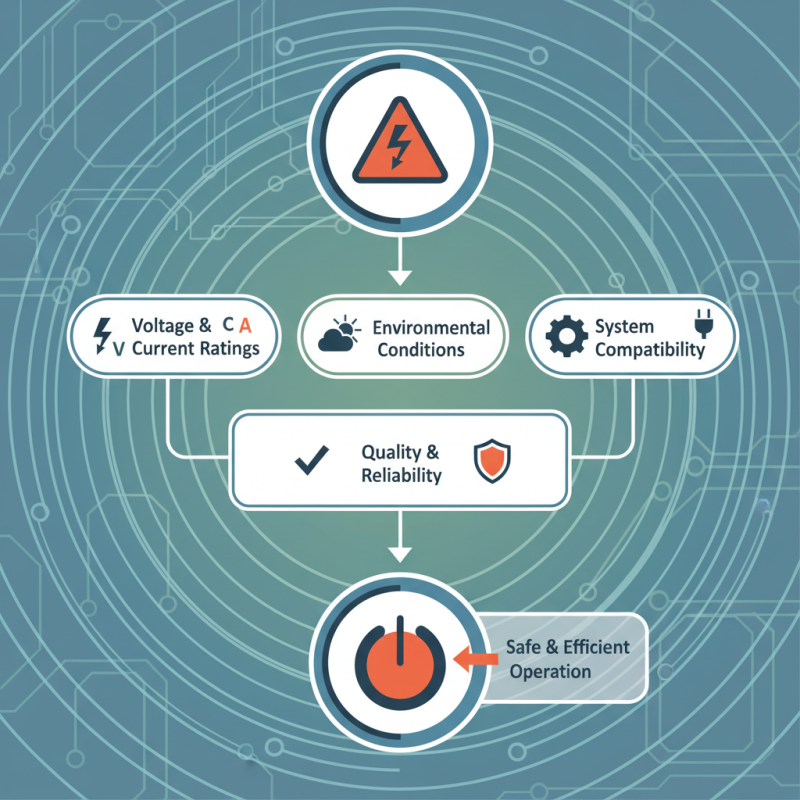
When selecting an Isolation Switch, consider the specific requirements. Factors such as voltage, current ratings, and environmental conditions significantly impact your choice. It's essential to match the switch to your system's needs, ensuring proper functioning.
Many overlook the importance of quality and compatibility. A poorly chosen Isolation Switch may cause issues, from circuit failures to safety risks. Take time to reflect on your options and seek guidance if needed. A thoughtful approach can prevent costly mistakes and enhance system performance.
Understanding the Purpose of Isolation Switches in Electrical Systems
Isolation switches play a crucial role in electrical systems. They provide a means of disconnecting circuits for maintenance or safety. Understanding their purpose is key to choosing the right one. When a switch is isolated, it prevents electrical flow. This minimizes the risk of shock and helps protect equipment.
Here are some tips to consider when choosing your isolation switch:
- Assess Voltage and Current: Make sure the switch can handle the load.
- Environment Consideration: If it’s outdoors, choose a weather-resistant option.
- Ease of Operation: A user-friendly design ensures safe and quick access when needed.
It is important to reflect on your specific needs. Different applications may require different types of switches. Don’t rush the decision. Evaluate your system carefully. A mismatch in specifications can lead to failures. Additionally, consider consulting with a professional if you’re uncertain. Their insights can guide you towards a safer choice.
Identifying Your Power Requirements and Load Types
Choosing the right isolation switch begins with understanding your power requirements. What is your maximum load? Do you need a switch for lighting, machinery, or heavy appliances? Each type of load demands different specifications. You may have a combination of resistive and inductive loads. Each requires careful consideration when selecting the appropriate switch.
It’s crucial to identify the current and voltage ratings needed. Many overlook this aspect and face issues later. Sometimes, estimated requirements can lead to poor choice. This can result in overheating or equipment failure. Consider the environment too. Is it wet or dusty? The switch must withstand these conditions. It’s easy to assume any switch will fit, but that’s rarely the case.
Think about safety features as well. Emergency cut-off capabilities are important for many applications. They may seem extra, but they aren't optional. An inadequate isolation switch can have serious ramifications. Always question your initial assumptions. Reflect on your unique needs, and ensure the switch matches them perfectly.
Evaluating Different Types of Isolation Switches and Their Features
When choosing an isolation switch, it's crucial to evaluate the types available. Each one serves a specific purpose. Manual isolation switches are simple but require human intervention. You must think about when you need to turn them off. They are reliable but can be inconvenient during emergencies.
Automatic isolation switches, on the other hand, offer more convenience. They detect faults and disconnect power immediately. This feature enhances safety and reduces risks. However, they can be more complex and require regular maintenance. Each type has pros and cons that need careful consideration.
Additionally, you should consider the power rating and the environment. Some switches are not suitable for harsh conditions. Think about where it will be installed. Is it indoors or outdoors? Is moisture a concern? These details can affect durability and performance. Evaluating these factors will help ensure you select the right isolation switch.
Comparison of Isolation Switch Types
Assessing Safety Standards and Compliance for Isolation Switches
When choosing an isolation switch, safety standards are crucial. These standards help ensure the switch performs reliably in various conditions. Compliance with industry regulations is non-negotiable. It protects both users and equipment. It's essential to review these standards before making a purchase.
Check certifications and ratings specific to isolation switches. Look for certifications like IEC and UL. These indicate adherence to international safety norms. Understanding the environment where the switch will be used is also important. Does it face moisture, dust, or extreme temperatures? This knowledge guides your choice.
Some switches may not meet your specific requirements. Reflect on these limitations during your selection process. Ask if the switch can handle your system’s voltage and current. If unsure, seeking expert advice may be necessary. Remember, a proper isolation switch can prevent accidents. It’s worth taking the time to assess safety standards thoroughly.
Factors to Consider When Sizing and Installing Isolation Switches
Choosing the right isolation switch involves several critical factors. Start by analyzing the electrical load the switch needs to handle. Calculate the maximum current to ensure the switch can safely interrupt power. Selecting a switch with a lower rating than needed can cause failure. It’s also important to consider the voltage rating. Ensure that the switch can manage the voltage levels in your system to avoid dangerous situations.
The installation environment matters too. If the switch will be exposed to moisture or dust, look for models rated for harsh conditions. Corrosion can quickly disable electrical components. Additionally, think about accessibility. An isolation switch should be easy to reach in emergencies, yet also protected from accidental activation. Reflect on placement carefully; it affects safety and functionality.
Finally, consider the overall design and build quality. While cost is a factor, opting for a cheaper switch may backfire. Investing in quality ensures longevity and reliability. It’s essential to balance affordability with durability. Remember, safety should be the priority, not saving a few dollars. Cutting corners now could lead to more significant headaches later.