
Connect with us today to learn more about our industrial automation solutions—and how to commission them for your application.
How to Choose the Right Photovoltaic Connectors for Your System?
Choosing the right Photovoltaic connectors is essential for any solar power system. Renowned expert James Green, a leader in the photovoltaic industry, once stated, "The quality of connectors can make or break your energy output." Understanding the various types and their applications can be daunting.
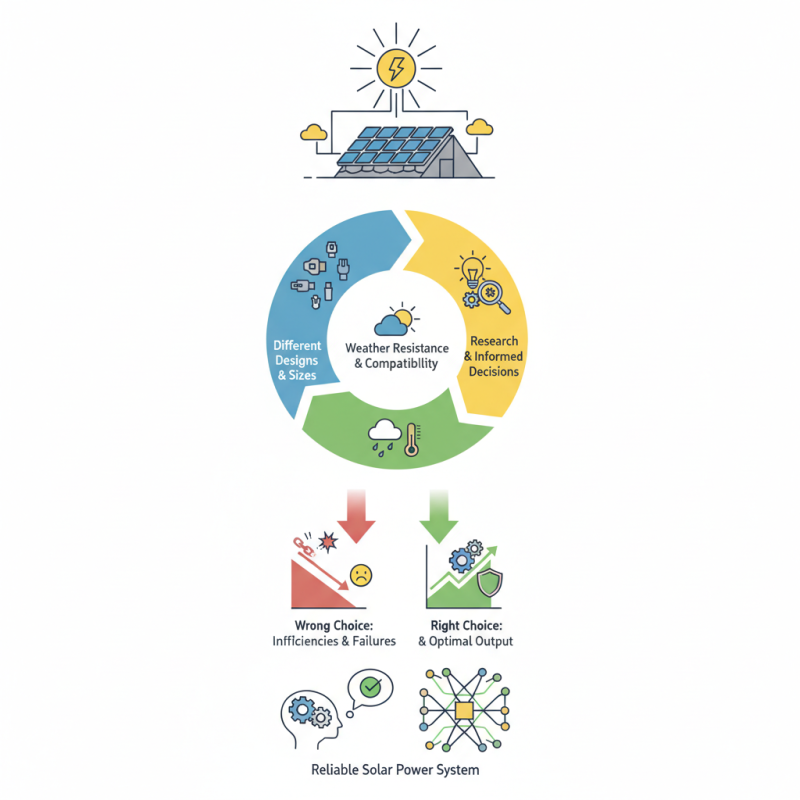
Photovoltaic connectors come in different designs and sizes. Each type has unique features, which affect overall system performance. Selecting the wrong connector could lead to inefficiencies or even failures in your system. Small mistakes can have significant implications.
It’s important to consider factors such as weather resistance and compatibility. Not all connectors will suit every system. Investing time in research can pay off. Reflecting on past experiences can help avoid common pitfalls. Making informed decisions will lead to a more reliable solar power system.
Understanding the Basics of Photovoltaic Connectors
Photovoltaic connectors play a crucial role in solar energy systems. They facilitate the safe and efficient transfer of electricity between solar panels and inverters. Understanding their basics is essential for anyone involved in solar installations.
These connectors come in different types and sizes. Common types include MC4 and Tyco connectors. Each type is designed for specific applications and environmental conditions. It's important to select connectors that can withstand harsh weather. This includes high temperatures, moisture, and UV exposure. A wrong choice could lead to failures or safety hazards.
Yet, many installers overlook these details. Some may choose connectors based on availability, not compatibility. This can result in decreased performance or increased maintenance. Reflect on how the wrong connector could impact your system. Choosing the right photovoltaic connectors is not merely a technical decision. It demands careful consideration of both current needs and future expansions.
| Connector Type | Current Rating (Amps) | Voltage Rating (Volts) | Wire Size (AWG) | Temperature Rating (°C) | Application |
|---|---|---|---|---|---|
| MC4 | 30 | 1000 | 10-14 | -40 to 90 | Solar Panel Connections |
| Solar Lok | 40 | 1500 | 10-12 | -40 to 85 | High Current Applications |
| H4 | 30 | 1000 | 12-16 | -40 to 90 | Compact Installations |
| PV-KConnector | 50 | 1500 | 10-14 | -40 to 95 | High Efficiency Modules |
Types of Photovoltaic Connectors and Their Applications
Choosing the right photovoltaic connectors is crucial for system efficiency. Different types serve specific functions. Key types include MC4 connectors, which are popular for their ease of use. These connectors allow quick installation and secure connections. Their sealing mechanism protects against moisture and dust.
Another type is Tyco connectors. They are sturdy and can endure harsh environments. However, some find them challenging to install. Then there are Amphenol connectors, which provide a robust connection. Their design minimizes energy loss. Yet, their pricing might be a concern for some users.
Selecting the right connectors requires understanding your system. Consider the environmental conditions and installation constraints. Test different connectors for compatibility if needed. Each choice has pros and cons. Sometimes, what seems convenient can lead to future issues. Always reflect on the long-term implications of your choice.
Photovoltaic Connectors: Types and Applications
Key Factors to Consider When Selecting Connectors
Choosing the right photovoltaic connectors for your solar system can significantly impact efficiency and safety. There are key factors to examine closely when making this decision.
One essential factor is the connector type. Different systems may require connectors that meet specific standards. Pay attention to the compatibility with your solar panels and inverters. Ensure that they can withstand environmental elements like moisture and dust.
Next, consider the amperage and voltage rating. Connectors should support the system's electrical load. Mismatched ratings can lead to overheating or even failure. It may be easy to overlook this, but improper ratings can pose serious risks.
Lastly, installation ease matters. Some connectors are designed for quick and easy setups. If the connectors are complicated to install, it might lead to mistakes. Don’t underestimate the importance of user-friendly designs. Aim for those that simplify the installation process.
In the end, thoughtful considerations will help you make the best decision for your solar system.
Compatibility and Standards for Photovoltaic Systems
Choosing the right photovoltaic connectors is crucial for the efficiency of your solar system. Compatibility and adherence to industry standards ensure that your components work well together. This reduces the risk of failures and enhances performance. Various standards exist, like those from the IEC and UL, defining the specifications for connectors. Understanding these can help you make informed choices.
Tips: Always check the specifications. Ensure the connectors are rated for the voltage and current requirements of your system. Different environments may demand different materials. For example, connectors used in extreme weather should have appropriate weatherproofing.
Make sure to consider the physical design. Some connectors may fit well but may not meet your system’s electrical needs. Reflect on whether your connectors are easy to connect and disconnect. Complex designs may present installation challenges, especially on larger systems. Balancing ease of use with reliability is key.
Maintenance and Safety Tips for Photovoltaic Connectors
Maintaining photovoltaic connectors is essential for system efficiency. Regular inspections help identify wear and tear. Look for signs of corrosion or physical damage. Tight connections are crucial. Loose connectors can lead to energy loss and safety hazards.
Safety is paramount when working with these components. Always turn off the system before performing maintenance. Use insulated tools to prevent electric shock. It is easy to overlook small details, like dirt accumulation on contacts. Clean them properly to avoid contact resistance.
Connecting cables should be installed correctly. Improper installation can create problems down the line. Check that the connectors match your specific application. Adhere to the manufacturer’s guidelines. If something looks off, trust your instincts and seek advice.