
How to Choose a PEMF Foot Machine in 2026?

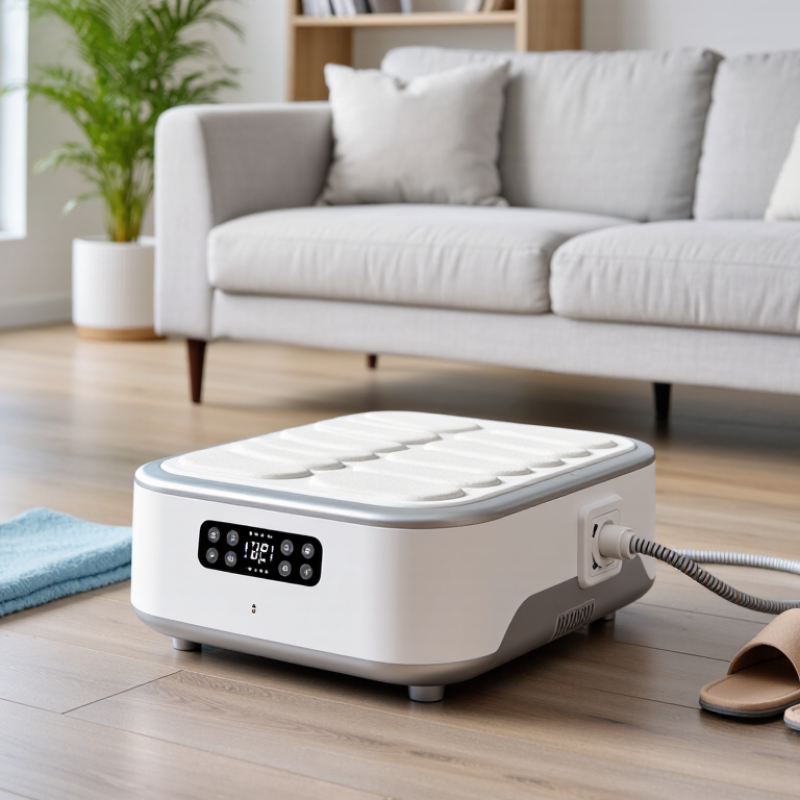
Choosing a Pemf Foot Machine in 2026 requires more than comparing prices or counting preset programs. A compact device may look impressive beside a sofa, yet its real value depends on measurable specifications, practical design, and responsible use. Buyers should examine frequency ranges, intensity controls, coil placement, treatment area, timer settings, and independent safety documentation. Clear instructions matter, especially when the controls are small or the display is difficult to read.

Look for manufacturers that explain their testing methods and publish complete technical information. Reliable brands should identify operating limits, cleaning guidance, warranty terms, and customer support channels. Marketing language can sound confident, but confidence is not clinical proof. Research on pulsed electromagnetic field devices varies by condition, device type, and study quality. Therefore, users should avoid promises involving guaranteed pain relief, disease treatment, or dramatic health changes. Ask a qualified healthcare professional before use, particularly with implanted electronic devices, pregnancy, serious circulation concerns, or unexplained foot symptoms.

Comfort matters too. Imagine placing both feet on the platform after work: Is the surface stable? Does the cable reach the outlet? Can you stop a session quickly? These small details shape everyday experience. I have found that technical comparisons often overlook noise, storage, and cleaning. That is a weakness. A machine can be powerful on paper yet frustrating in a bedroom. This guide will compare essential features, evidence quality, safety considerations, and long-term usability, while acknowledging that no single Pemf Foot Machine suits every person or goal.
How to Choose a PEMF Foot Machine in 2026?

What Is a PEMF Foot Machine and How Does It Work?

A PEMF foot machine uses pulsed electromagnetic fields around the feet and lower legs. Coils inside the pad create changing magnetic pulses, which pass through footwear and soft tissue. The device does not deliver electric current through the skin. Instead, it induces very small electrical effects within nearby tissue.

Settings usually include frequency, intensity, pulse shape, and session time. Lower frequencies may feel like gentle tapping, although many users feel nothing. A 2024 Grand View Research analysis estimated the global PEMF market at roughly USD 700 million in 2023, showing growing interest but not proving clinical effectiveness. Evidence remains uneven. Some clinical reviews report possible benefits for pain or circulation, while results vary by condition, protocol, and study quality.

When choosing a foot machine in 2026, inspect the technical label carefully. Look for measured intensity, frequency ranges, coil placement, timer controls, and independent electrical safety testing. “Stronger” sounds better. It is not automatically better. A practical test is simple: can you adjust the session without guessing? I would also question vague claims about detoxification or guaranteed healing. That wording is a warning sign. People with implanted electronic devices, pregnancy, unexplained foot pain, or poor circulation should seek qualified medical advice before use. Personal experience matters, but it can mislead; a warm foot after treatment does not prove deeper biological change.

How to Choose a PEMF Foot Machine in 2026?

A PEMF foot machine produces repeating electromagnetic pulses. Frequency describes how many pulses occur each second, while cycle duration is the time between repeating waveform cycles. The values below use the exact relationship: cycle duration = 1,000 ÷ frequency.

How to read this chart: A 1 Hz setting completes one cycle every 1,000 milliseconds, while a 50 Hz setting completes one cycle every 20 milliseconds. When comparing devices, also check the adjustable frequency range, magnetic flux density, waveform, session timer, and published safety instructions. Frequency alone does not determine treatment effectiveness.

Which Health Goals and Foot Conditions Should Guide Your Choice?

How to Choose a PEMF Foot Machine in 2026?

Your health goal should guide the device before its appearance or extra settings. If you want occasional comfort after standing, choose a simple model with adjustable intensity and a short timer. For recovery after walking, look for clear frequency information, stable foot placement, and easy cleaning. Evidence for PEMF remains mixed, so treat it as supportive care, not a proven cure.

Your foot condition matters more than marketing claims. People with plantar fasciitis may prefer gentle sessions that do not increase heel tenderness. Those with arthritis may value low-intensity comfort during stiff mornings. Swelling, diabetes, reduced sensation, open wounds, or unexplained pain require professional advice first. A foot machine can hide symptoms while the underlying problem continues. I once assumed stronger settings would work faster; that was an unfounded assumption. Comfort and careful monitoring matter more.

Tips: Check the manual for safety warnings and tested output details. Start with the lowest comfortable setting. Keep a simple symptom log. Stop if you notice burning, numbness, dizziness, or worsening pain. Ask a podiatrist or physician before use if you have implanted electronic devices, poor circulation, neuropathy, or recent foot surgery. Also, avoid choosing a machine solely because it promises better circulation or rapid healing. Reliable guidance should explain limitations, not only benefits. A short trial may reveal whether the device suits your goal, but results can vary.

How to Compare PEMF Intensity, Frequency, Programs, and Coverage

How to Choose a PEMF Foot Machine in 2026?

When comparing PEMF foot machines, look beyond the highest intensity number. Check whether the specification reports peak or average field strength. A dramatic peak may not represent everyday exposure. Compare units carefully, such as gauss and millitesla. The waveform and coil layout also influence the field delivered to your feet. Ask for laboratory data, not only advertising language.

Frequency matters because different programs use different pulse rates, often measured in hertz. A useful device should show exact settings and session times. Preset programs can simplify use, but manual control offers better comparison. Record how your feet feel after each session, including warmth, tingling, or discomfort. Keep a simple log. It may reveal patterns, although personal impressions are not clinical proof.

Coverage is easy to underestimate. A small pad may reach the soles but miss the ankles or sides of the feet. Check the active coil area, not the machine’s outside dimensions. Place both feet naturally on the surface and confirm that the field reaches the intended zones. I would also inspect cable quality, timer accuracy, cleaning requirements, and return policies. Some specifications remain unclear. That deserves caution. If you have an implanted electronic device, are pregnant, or manage a medical condition, ask a qualified healthcare professional before use. Choose transparent evidence over impressive promises.

What Safety Features, Certifications, and User Limits Matter in 2026?

How to Choose a PEMF Foot Machine in 2026?

Safety should come before intensity, app features, or attractive design. Look for adjustable session times, automatic shutoff, overheat protection, and clearly marked intensity levels. A stable base matters too. Wet socks, loose cables, and polished floors create avoidable risks. The instruction manual should state foot size, maximum user weight, recommended session length, and cleaning limits. Vague wording is a warning.

Check the paperwork, not only the box. A credible device should provide traceable electrical safety testing, electromagnetic compatibility results, and materials information. Depending on your market, look for applicable medical-device registration or conformity markings, such as CE or UKCA. These marks do not prove that PEMF will treat a disease. They mainly show that defined regulatory requirements were addressed. Ask whether the certificate applies to this exact model. Generic laboratory documents can mislead.

User restrictions deserve careful reading. People with implanted electronic devices should seek medical advice before use. The same applies during pregnancy, after foot surgery, or with reduced sensation and circulation. Children and older adults may need supervision. I would also avoid buying a machine that hides its field strength, waveform, or duty cycle. Those numbers can be confusing, but missing data is worse. My own mistake would be trusting a confident sales claim too quickly. A safer choice leaves room for questions, records sessions clearly, and stops without drama when something feels wrong.

How to Evaluate Usability, Durability, Warranty, and Overall Value

How to Choose a PEMF Foot Machine in 2026?

How to Evaluate Usability, Durability, Warranty, and Overall Value

A practical evaluation starts with daily use, not impressive specifications. Check whether the foot mat feels stable on tile, wood, or carpet. The controls should be readable without opening the manual each time. A useful unit offers clear intensity settings, simple timing, and a cable that does not twist easily. Test the buttons with one hand. Small frustrations become major problems after several weeks.

Tips: Place the machine near your usual chair. Measure the storage space before buying. Look for washable surfaces, reinforced seams, and ventilation around the control unit. A heavier base may feel more secure, but it can become inconvenient to move. My own scoring sheet is imperfect; convenience is easy to overrate. Record how long setup takes on an ordinary evening.

Durability depends on materials, construction, and realistic maintenance instructions. Ask whether replacement parts are available and how electrical safety is documented. A longer warranty can signal confidence, but read its exclusions carefully. Some policies cover the controller but not the mat, power adapter, or shipping. Confirm the return period, support response time, and repair process in writing. Overall value means more than a lower price. It includes reliable operation, understandable guidance, and reasonable ownership costs. Avoid treating wellness equipment as a guaranteed medical solution. People with implanted electronic devices or specific health concerns should seek qualified medical advice before use.

How to Choose a PEMF Foot Machine in 2026? — How to Evaluate Usability, Durability, Warranty, and Overall Value

Evaluation Area What to Measure Strong Buying Target Warning Sign Suggested Weight Score
(1–5)
Ease of Setup Time required to unpack, connect, and begin a session. One-piece or clearly labeled modular design; operating instructions can be followed in under 5 minutes. Unclear controls, missing connection diagrams, or dependence on a mobile app for basic operation. 10%
Controls and Session Management Readability of the display, control layout, timer accuracy, and ease of changing intensity or frequency. Physical controls or a reliable interface, visible timer, saved settings, and clear intensity steps. No session timer, confusing symbols, accidental setting changes, or inaccessible controls. 10%
Foot Coverage and Fit Usable treatment area, foot positioning, and compatibility with the intended user. Both feet can remain comfortably positioned without excessive pressure; the product lists dimensions and user-size limits. Small treatment surface, unstable foot placement, or no dimensional information. 10%
Portability and Storage Product weight, carrying method, cable storage, and storage footprint. Integrated handle or compact form; cables can be stored safely without sharp bending. Heavy or awkward construction, exposed connectors, or no practical storage solution. 5%
Cleaning and Hygiene Surface material, seam design, and manufacturer cleaning instructions. Smooth, wipe-clean contact surfaces and clearly stated cleaning instructions; no absorbent fabric on the main foot-contact area. Non-removable porous padding, unclear liquid restrictions, or difficult-to-reach seams. 10%
Build Quality Housing rigidity, connector strain relief, foot stability, and finish quality. Stable base, reinforced cable exits, secure connectors, and no movement or rattling during normal use. Loose housing, fragile hinges, unprotected cable joints, or excessive heat during normal operation. 15%
Technical Transparency Availability of waveform, frequency, intensity or magnetic-flux information, power requirements, and user documentation. Specifications are stated in consistent units, operating limits are explained, and the manual is available before purchase. Only vague phrases such as “maximum strength” or “professional power” without test conditions or measurable specifications. 15%
Safety and Compliance Electrical safety information, overheating protection, contraindications, and regulatory documentation relevant to the sales region. Complete user warnings, automatic shutoff or thermal protection where applicable, traceable manufacturer information, and verifiable compliance documentation. No contraindications, no electrical ratings, unsupported medical claims, or missing regulatory information. 15%
Warranty and Service Warranty duration, coverage, exclusions, return window, repair process, and replacement-part availability. Written warranty terms, at least 12 months of coverage as a practical minimum, responsive support, and a clearly defined repair or replacement process. Warranty applies only to selected parts, support is unreachable, shipping responsibilities are unclear, or terms are unavailable before purchase. 10%
Overall Value Total ownership cost compared with documented usability, construction, support, and expected service life. Transparent purchase price, reasonable operating cost, useful warranty, and measurable features that match the intended use. High price based mainly on marketing claims, unclear accessories, recurring subscription fees, or costly return shipping. 10%
Weighted Total 100% — / 5
Scoring Guide: 1 = unacceptable or undocumented; 2 = below average; 3 = adequate; 4 = strong; 5 = excellent and independently verifiable. Calculate the weighted score by multiplying each category score by its suggested weight, then adding the results.
Important Check: PEMF products can differ substantially in intended use, specifications, and regulatory status. Compare only products with documented operating information, read the contraindications, and consult a qualified healthcare professional when a medical condition, implanted electronic device, pregnancy, or prescription treatment is involved.

Learn More

Connect with us today to learn more about our industrial automation solutions—and how to commission them for your application.