
Why Choose the Right Industrial Motor Shaft for Your Needs?

Choosing the right Industrial Motor Shaft is crucial for any machinery performance. This component is often overlooked, yet it plays a vital role in various industrial applications. With the right shaft, machines run smoother and have increased efficiency. A poorly chosen shaft can lead to significant operational issues.

Many factors influence the selection of an Industrial Motor Shaft. These include material type, size, and load capacity. Each detail matters deeply. A shaft that is too weak can break under stress. Conversely, one that is too heavy may lead to unnecessary energy consumption. It is essential to consider how each choice will impact overall performance.

In the industrial sector, understanding the unique demands of your operations is key. Not all shafts are created equal. There are numerous options, and making a decision can feel overwhelming. This complexity is where expert guidance comes into play. Consulting with professionals can provide insights that ensure your machinery operates optimally.
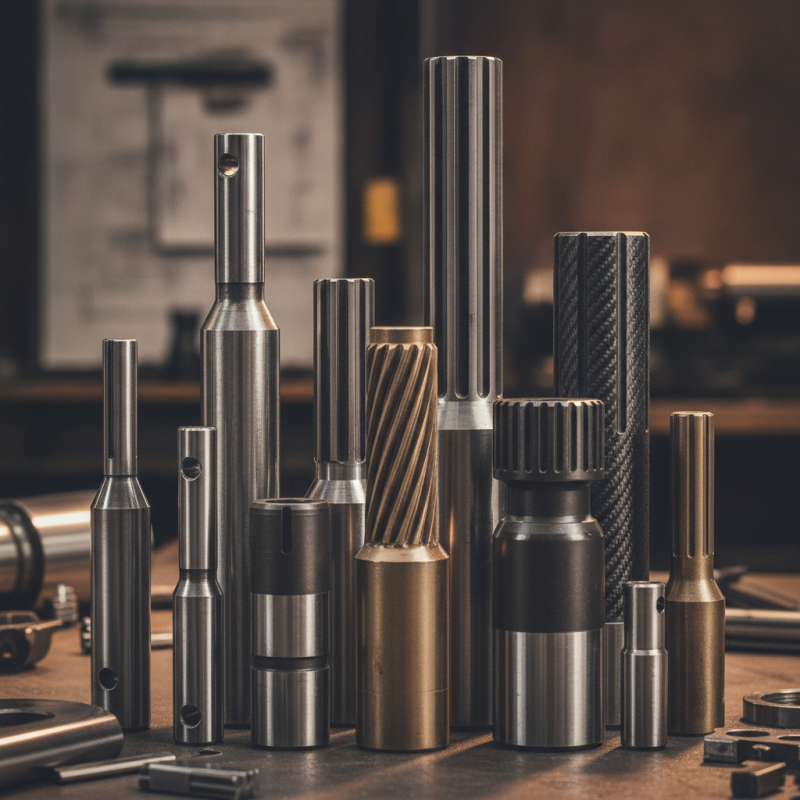
Why Choose the Right Industrial Motor Shaft for Your Needs?

Understanding the Importance of Industrial Motor Shaft Selection

Choosing the right industrial motor shaft is crucial. It directly impacts machinery performance, efficiency, and durability. An unsuitable shaft can lead to mechanical failures, increased maintenance costs, or even downtime. Understanding the specific requirements of your application is essential.

Different motor shafts serve various purposes. The length, diameter, and material composition matter significantly. A heavy-duty shaft might be necessary for high-torque applications. However, using an oversized shaft could introduce inefficiencies. Evaluating load capacity and environmental factors, like temperature and humidity, is vital.

Inadequate attention to shaft selection can cause unforeseen challenges. For instance, a mismatch in size may lead to vibrations. This can diminish the lifespan of connected components. Communities of engineers and technicians suggest consulting resources and professionals before final decisions. Relying solely on general guidelines may not suffice. A tailored approach will ultimately yield better performance.

Key Specifications of Industrial Motor Shafts: Dimensions and Materials

Choosing the right industrial motor shaft involves understanding key specifications, particularly dimensions and materials. Dimensions matter deeply. Correct shaft length and diameter directly affect performance. A shaft that's too short may compromise stability. Conversely, an overly large shaft could hinder efficiency. Precision in these measurements ensures compatibility with both motors and loads.

Materials are equally crucial. Common choices include steel, stainless steel, and aluminum. Steel offers strength, while stainless steel resists corrosion, ideal for harsh environments. Aluminum is lightweight but may lack the strength for heavy-duty applications. Each material has specific benefits and drawbacks, which need careful consideration.

Sometimes, users overlook the importance of these specifications. They might prioritize cost over quality. However, this can lead to increased maintenance issues. Any failure in the shaft can cause downtime and affect productivity. Rethinking the balance between cost and quality is essential for long-term success.

Key Specifications of Industrial Motor Shafts

Specification Description Material Typical Applications
Diameter 15 mm to 100 mm Steel, Stainless Steel Pumps, Conveyors
Length 300 mm to 2000 mm Aluminum, Carbon Steel Electric Motors, Gearboxes
Weight 0.5 kg to 50 kg Forged Steel, Alloy Steel Heavy Machinery, Industrial Drives
Tensile Strength Up to 800 MPa High-Carbon Steel, Duplex Steel Automotive, Robotics
Surface Treatment Galvanized, Hard Chrome Plated SS 304, SS 316 Marine, Chemical Processing

Impact of Shaft Design on Efficiency and Performance in Industrial Applications

When selecting an industrial motor shaft, design choices greatly impact efficiency and performance. According to a recent industry report, nearly 30% of energy loss in motors can be traced back to suboptimal shaft designs. This inefficiency can lead to increased operational costs and reduced lifespan of machinery. Simple modifications in shaft construction can significantly enhance torque transmission and minimize friction.

It's crucial to understand your specific application. Vibration, alignment, and load requirements can vary widely. For instance, a well-aligned shaft can improve mechanical efficiency by up to 20%. Regular inspection can mitigate potential issues, ensuring smooth operation and longevity.

Tips: Always opt for a shaft material that can endure environmental stressors. Prioritize corrosion-resistant materials if your operation involves harsh conditions. Consult with engineers to tailor the shaft design for your application's unique demands. Careful consideration in this phase can save companies from costly downtimes.

Common Industry Standards for Shaft Durability and Load Capacity

Choosing the right industrial motor shaft is crucial for operational efficiency. Understanding industry standards for shaft durability and load capacity is essential. The American National Standards Institute (ANSI) sets guidelines that help in evaluating these aspects. Many shafts are expected to withstand significant stress and high cycles, making durability a top priority.

For example, data from the industry reveals that a typical motor shaft can handle loads up to 1.5 times its rated capacity. This margin ensures safety during peak demand. However, improper selections can lead to premature failure. Materials, such as high-carbon steel or stainless steel, offer varying resistance to fatigue and corrosion. Industries must assess their environment before deciding.

It's essential to remember that not all applications are the same. Some may require lightweight shafts for dynamic applications, while others need heavier shafts for stability. Balancing these needs with compliance to standards often presents challenges. Manufacturers may overlook the specific environmental factors, leading to inefficiencies. Continuous evaluations of performance data can guide better decisions.

Industrial Motor Shaft Load Capacity Comparison

The Role of Shaft Alignment in Preventing Motor Failures and Downtime

Shaft alignment is crucial in industrial motor systems. Misalignment can lead to significant issues. Research shows that 50% of motor failures stem from improper alignment. This can result in downtime, costing companies thousands of dollars each hour.

Precision in alignment can prevent such failures. Equipment must be aligned within specific tolerances. For instance, according to the International Maintenance Institute, misalignment can lead to increased vibration levels, leading to premature bearing failure. An aligned shaft reduces wear on components. This ultimately boosts efficiency and lifespan.

Businesses must prioritize regular alignment checks. Tools like laser alignment systems have changed the game. They offer precise measurements, ensuring minimal errors. However, many industries still overlook this vital practice. It's essential to address this gap for improved operational reliability.

Learn More

Connect with us today to learn more about our industrial automation solutions—and how to commission them for your application.