
How to Choose the Right Spray Hose for Your Needs?

Choosing the right Spray Hose is not a minor purchasing decision. It affects application quality, operator safety, maintenance time, and total operating cost.

Grand View Research estimates that the global industrial hose market will continue expanding through 2030, driven by agriculture, construction, chemical processing, and manufacturing. MarketsandMarkets also identifies pressure rating, material compatibility, flexibility, and temperature resistance as major selection factors. These reports cover industrial hoses broadly, not every Spray Hose application. That distinction matters.

“The right hose is a system decision, not a catalog decision,” says Mike Krawczyk, a hose-application specialist associated with Gates Industrial. His point is practical. A hose that handles water may fail quickly with fertilizer, solvent, abrasive slurry, or heated fluid.

Look closely.

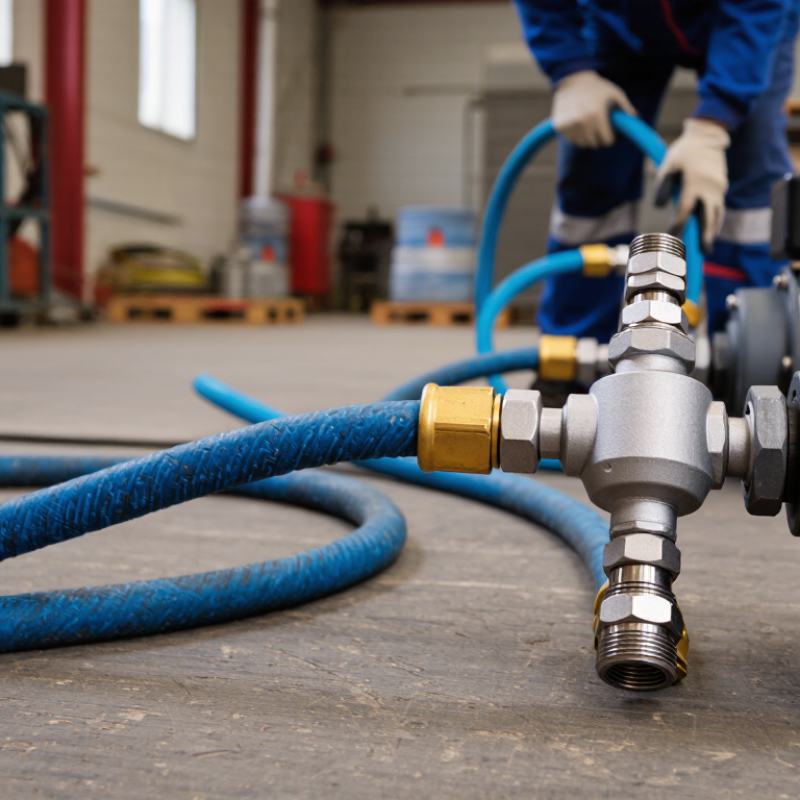
Imagine a 30-meter hose dragging across concrete, bending near a pump, and pulsing under pressure. Its cover needs abrasion resistance. Its tube must resist the sprayed chemical. Its fittings must match the working pressure, connection style, and flow requirement.

ISO 7751 guidance emphasizes the relationship between working pressure and burst pressure. However, pressure alone cannot determine suitability. Temperature spikes, ultraviolet exposure, cleaning chemicals, and repeated flexing can reduce service life.

A cheaper hose may appear efficient. It may become an expensive mistake.

This guide examines those trade-offs through real selection criteria, manufacturer specifications, and field experience. It also acknowledges an uncomfortable truth: product labels are sometimes incomplete. Buyers should verify technical data, inspect hose condition regularly, and consult qualified suppliers when the application is uncertain.
How to Choose the Right Spray Hose for Your Needs?

Define the Spray Hose’s Intended Use and Working Conditions

How to Choose the Right Spray Hose for Your Needs?

Define the Spray Hose’s Intended Use and Working Conditions

Start by identifying what the spray hose must carry and where it will operate. Water, fertilizers, cleaning solutions, and abrasive mixtures place different demands on hose materials. A hose used for greenhouse misting may need flexibility, while one used for farm spraying needs stronger abrasion resistance. Check the required pressure, temperature range, flow rate, and chemical compatibility before selecting a hose.

The work environment matters just as much. A hose dragged across concrete needs a durable outer cover and suitable bend strength. In cold conditions, some materials become stiff and may crack during sharp movement. In hot areas, excessive temperature can weaken the inner tube. Measure the connection size carefully, too. A loose fitting can leak, while an undersized passage restricts flow and increases pressure. I once focused on pressure rating and overlooked repeated bending near the coupling. It failed earlier than expected. That was a costly reminder.

Tips: Walk through the actual application before buying. Note the hose length, spray distance, storage method, and frequency of use. Leave enough length for movement, but avoid unnecessary loops on the ground. Inspect the hose before every operation for blisters, cuts, soft spots, or exposed reinforcement. Replace damaged sections promptly. Compatibility charts are useful, but real conditions can vary, so test cautiously when the fluid, temperature, or pressure is unfamiliar.

Match Hose Materials to the Chemicals and Fluids Used

Choosing a spray hose starts with the fluid, not the nozzle. Water, diluted fertilizer, oils, solvents, and cleaning agents can attack different hose layers. Read the fluid’s safety data and a chemical compatibility chart before ordering. Do not rely on appearance. Two clear liquids may require completely different materials. Nitrile may suit petroleum-based oils, while EPDM often performs well with water-based solutions and some mild chemicals. Fluoropolymer-lined hoses can resist aggressive chemicals, but they may bend less easily and cost more.

Temperature and concentration change the answer. A hose that handles a weak solution may fail with a heated, concentrated mixture. Check working pressure, temperature range, and exposure time together. Spraying pulses can create pressure spikes. Measure them if possible. Material alone is not enough. Reinforcement, cover quality, and fitting compatibility also affect service life. A chemically resistant tube is still unsafe if its fittings corrode or loosen.

Look for swelling, soft spots, cracking, discoloration, or a sticky surface during inspections. These signs can appear before a visible leak. Flush the hose when the fluid instructions require it, then drain and store it away from sunlight and sharp edges. Never guess after changing a formulation. Ask for written compatibility confirmation when the chemical is unfamiliar. A common mistake is choosing the strongest-looking hose, not the most suitable one. My own preference would be to verify every variable twice, because a small mismatch can become an expensive failure.

How to Choose the Right Spray Hose for Your Needs? — Match Hose Materials to the Chemicals and Fluids Used
Hose Tube Material Best-Matched Fluids and Chemicals Typical Temperature Range* Oil and Fuel Resistance Chemical Compatibility Common Spray Applications Important Limitations
PVC Water, water-based detergents, dilute acids, dilute alkalis, and many aqueous agricultural solutions Approximately 0°C to 60°C
(32°F to 140°F)
Limited Good for many mild aqueous chemicals Garden spraying, light-duty cleaning, irrigation, and general-purpose water transfer Can become brittle in cold conditions; may soften with heat, aromatic solvents, concentrated chemicals, and many hydrocarbons
EPDM Hot and cold water, dilute acids, dilute alkalis, alcohols, glycols, and many water-based cleaning solutions Approximately −40°C to 135°C
(−40°F to 275°F)
Poor Excellent for many water-based chemicals Steam and hot-water cleaning, agricultural water solutions, and chemical spraying without petroleum content Generally unsuitable for petroleum oils, diesel, gasoline, and many hydrocarbon-based fluids
NBR (Nitrile) Mineral oils, hydraulic fluids, diesel, fuel oils, lubricants, and selected oil-based pesticides Approximately −30°C to 100°C
(−22°F to 212°F)
Excellent Good for oils; variable for solvents and oxidizers Oil spraying, fuel transfer, hydraulic equipment, and petroleum-based agricultural products Less resistant to ozone, sunlight, strong oxidizing chemicals, and some aromatic or chlorinated solvents
UHMWPE Many acids, alkalis, salts, detergents, and aggressive industrial chemicals Approximately −40°C to 80°C
(−40°F to 176°F)
Good for many oils Excellent for a broad range of corrosive chemicals Industrial chemical transfer, corrosive cleaning solutions, and agricultural chemical spraying Compatibility varies with strong oxidizers, elevated temperature, and specific solvents; confirm the exact chemical concentration
PTFE Strong acids, strong alkalis, solvents, fuels, oxidizing chemicals, and high-purity fluids Approximately −60°C to 260°C
(−76°F to 500°F)
Excellent Very broad chemical resistance High-temperature chemical spraying, laboratory service, solvent transfer, and demanding industrial applications Usually more expensive and less flexible than elastomeric tubes; braid, fittings, and external cover still require separate verification
Silicone Water, dilute aqueous solutions, mild chemicals, and selected high-temperature fluids Approximately −60°C to 180°C
(−76°F to 356°F)
Poor to limited Good for selected mild chemicals Hot-water spraying, clean environments, and applications requiring high flexibility over a wide temperature range Usually unsuitable for petroleum oils, fuels, many solvents, abrasive slurries, and high-pressure impulse service
FKM (Fluoroelastomer) Fuels, mineral oils, lubricants, many hydrocarbons, and selected concentrated chemicals Approximately −20°C to 200°C
(−4°F to 392°F)
Excellent Good for many hydrocarbons and chemicals Fuel spraying, petroleum service, solvent-containing fluids, and elevated-temperature applications May perform poorly with hot water, steam, strong alkalis, amines, and some polar solvents; low-temperature flexibility is limited
Selection note: Temperature ranges and compatibility ratings are typical guidance for tube materials, not guarantees for every hose construction. Always verify the exact chemical name, concentration, temperature, pressure, exposure time, hose reinforcement, cover material, fittings, and applicable safety requirements with a current chemical-resistance chart before use.

Choose the Correct Pressure, Temperature, and Size Ratings

How to Choose the Right Spray Hose for Your Needs?

Choose the Correct Pressure, Temperature, and Size Ratings

Selecting a spray hose starts with its pressure rating. Check the equipment’s maximum operating pressure, not just its average reading. A hose rated too low can swell, leak, or fail suddenly. I always allow a practical safety margin, especially when pressure changes during startup. The burst rating is useful, but it should never replace the working-pressure rating.

Temperature matters just as much. Read the hose specification for both minimum and maximum temperatures. Hot water, steam, and outdoor freezing can weaken unsuitable materials. A hose may feel flexible in a workshop yet become stiff in winter. That detail is easy to miss. Also confirm chemical compatibility if detergents or cleaning solutions pass through the line. Compatibility charts are more reliable than guessing from appearance.

Tips: Measure the connection before ordering. Match the inside diameter to the required flow rate and the outside diameter to available space. A narrow hose can reduce flow and increase pressure loss. A hose that is too large may feel heavy and difficult to control. Check bend radius, fitting type, and total length under real working conditions. Leave enough length for movement, but avoid loose loops near wheels or sharp edges. Inspect the hose regularly for cuts, bulges, crushed sections, and damaged fittings. Replace questionable parts early. My own choice has sometimes been too long, and that made handling worse. Practical testing still matters.

Evaluate Flexibility, Length, Fittings, and Compatibility

How to Choose the Right Spray Hose for Your Needs?

A suitable spray hose should move easily without twisting or flattening. Flexibility matters most around corners, ladders, and storage reels. I once used a stiff hose in a narrow workspace. It pulled the sprayer off balance. That small mistake made the job slower and less safe. Check the hose when it is cold, too. Some materials become noticeably harder in low temperatures.

Length needs careful judgment. Measure the distance from the outlet to the farthest working point. Add enough room for natural movement, but avoid excessive length. A long hose can become heavy, tangled, and difficult to drain. For regular work, I prefer a little extra reach rather than a large surplus. Still, this preference may not suit every workspace. Review the hose’s pressure rating, temperature range, and intended liquid compatibility. These details are more reliable than appearance.

Tips: Match the fittings before ordering. Confirm thread type, diameter, and sealing method. Do not force a nearly correct connection. It may leak under pressure. Inspect both ends for cracks or damaged threads. Test the assembled hose with clean water first. This simple check can reveal poor fit, weak seals, or unexpected stiffness. If the hose will carry cleaning solutions, verify chemical resistance with the manufacturer’s technical data. Similar-looking materials can perform very differently.

Compare Safety Features, Durability, Maintenance, and Cost

How to Choose the Right Spray Hose for Your Needs?

A suitable spray hose should match the fluid, pressure, temperature, and working environment. Check its maximum working pressure, not only the burst rating. A protective cover can reduce damage from abrasion, sunlight, and accidental contact. Secure couplings matter too. Loose connections can cause sudden leaks, even when the hose looks new. Choose a hose with a bend radius that fits your equipment. Forced bends weaken reinforcement over time.

Durability depends on daily handling. In field inspections, I look for cracking, swelling, exposed reinforcement, and stiff sections. I also check both ends carefully. These areas often fail first. Rinse the hose after use when residue may harden inside. Store it away from sharp edges and direct heat. Do not drag it across rough concrete. I once ignored a small surface crack during a routine check. It expanded sooner than expected. That mistake changed my inspection habits.

Tips: Compare total ownership cost, not just purchase price. A cheaper hose may need frequent replacement. Record inspection dates and pressure issues. Follow the manufacturer’s cleaning limits. Never exceed the hose’s rated conditions. Keep it simple. If the application changes, reassess the hose rather than assuming the old choice remains safe.

Learn More

Connect with us today to learn more about our industrial automation solutions—and how to commission them for your application.