
What Is an Outdoor LED Sign and How Does It Work?

An Outdoor Led Sign is a programmable display built from thousands of light-emitting diodes. Each diode produces red, green, or blue light. Together, they create text, images, video, and changing messages.

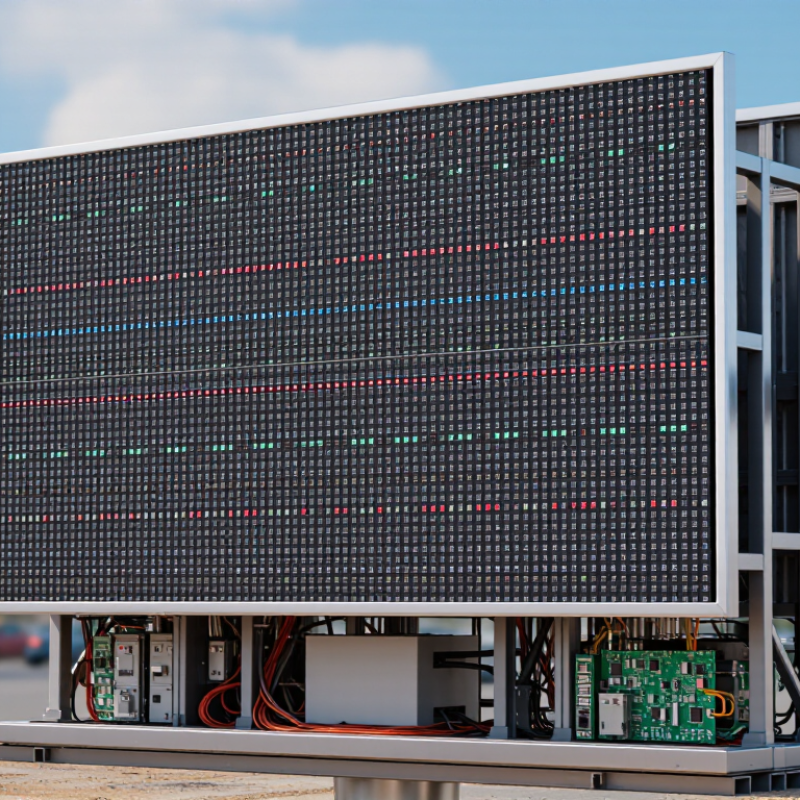
The process is surprisingly direct. A controller sends digital instructions to LED modules. Driver circuits adjust each pixel’s brightness. A power supply converts incoming electricity into stable operating voltage. Sensors may also measure ambient light, helping the screen remain visible during bright afternoons and less aggressive at night. Weatherproof cabinets protect these components from rain, dust, heat, and vibration.

The market is expanding. Grand View Research valued the global digital signage market at about USD 27.1 billion in 2023. Its report projects continued growth through 2030, supported by retail, transport, sports, and public information uses. MarketsandMarkets also identifies outdoor LED displays as a major growth segment, driven by higher brightness and remote content management.

Alan Brawn, a principal consultant at Brawn Consulting, has emphasized, “The display is only one part of a digital-signage solution.” That observation matters. A strong Outdoor LED Sign also needs readable content, reliable software, safe installation, and careful maintenance. Brightness alone is not enough. Poor viewing angles can weaken a good message.

The technology sounds simple.

It is not always simple in practice. Glare, heat, pixel failure, and incorrect viewing distance can reduce performance. This guide explains how the hardware, software, power system, and installation choices work together. It also examines the compromises that buyers sometimes overlook.
What Is an Outdoor LED Sign and How Does It Work?

Definition and Core Features of an Outdoor LED Sign

An outdoor LED sign is a weather-resistant digital display built from light-emitting diodes. Each tiny diode produces red, green, or blue light. Together, they form bright images, words, and video. A control system sends content to the sign through a media player or network connection. Unlike printed boards, it can change messages within seconds.

Its core features include high brightness, sealed cabinets, automatic brightness control, and a wide viewing angle. Pixel pitch matters. Smaller pitches create sharper images at close range, while larger pitches suit highways and distant viewers. The Sign Research Foundation emphasizes viewing distance, legibility, and contrast as key planning factors. OAAA audience research also reported that out-of-home media reaches about 80% of U.S. adults weekly. That reach only helps when drivers can read the message quickly. A crowded screen fails.

Tips: Measure viewing distance before choosing pixel pitch. Test text at noon and after sunset. Keep messages short. Use high-contrast colors. Add temperature and humidity monitoring where possible. The U.S. Department of Energy reports that LED lighting can use at least 75% less energy than incandescent lighting, but sign efficiency still depends on brightness settings, ventilation, and maintenance. No display performs perfectly in every weather condition. Glare, dust, and poor calibration can reduce readability. A practical inspection schedule is still necessary, even with remote diagnostics.

Main Components That Make an Outdoor LED Sign Function

What Is an Outdoor LED Sign and How Does It Work?

An outdoor LED sign combines several parts into one weather-resistant display. LED modules contain rows of light-emitting diodes, lenses, and circuit boards. These modules create pixels, colors, and images. A receiving card interprets signals from the control system. It then tells each module when to switch on or dim. The power supply converts incoming electricity into stable low-voltage current. U.S. Department of Energy guidance reports that LEDs use at least 75% less energy and can last up to 25 times longer than incandescent lighting. That advantage depends on proper voltage, ventilation, and maintenance.

The cabinet protects these components from rain, dust, vibration, and direct sunlight. Sealed connectors and drainage paths matter more than attractive metalwork. Thermal management is also critical. Heat sinks, vents, or fans move heat away from the LEDs and power supply. A brightness sensor can adjust output during cloudy afternoons or bright nights. The control software schedules content and monitors faults. A sign can be technically correct yet still fail in real weather. I have seen bright showroom panels look weak under summer glare. That compromise deserves more attention.

Tips: Check brightness at the installation site, not indoors. Use a weather-rated cabinet and inspect seals every season. Keep spare modules and power supplies available. Also, do not treat higher brightness as better; excessive output wastes energy and may reduce viewing comfort. Older control systems can create uneven colors, even when the LEDs remain healthy.

What Is an Outdoor LED Sign and How Does It Work? - Main Components That Make an Outdoor LED Sign Function

Main components, typical specifications, and operating functions of an outdoor LED sign
Component Typical Specification or Data Primary Function How It Supports Outdoor Operation
LED Modules Common pixel pitches: approximately 3–10 mm; RGB LED pixels Produce the colored light used to display text, images, video, and animations. Modular construction allows damaged sections to be replaced without replacing the entire display.
LED Lamps Red, green, and blue light-emitting diodes combined within each pixel Mix primary colors at different brightness levels to create a broad range of visible colors. High-brightness LEDs help maintain image visibility in daylight and changing weather conditions.
Cabinet Enclosure Weather-resistant metal or composite housing; sealed modular structure Holds the LED modules, power supplies, control electronics, and internal wiring in position. Protects internal components from rain, dust, wind, and accidental physical contact.
Front Protection Protective mask, module face, or coated front surface Provides a finished display surface and helps shield LED pixels from impact and contamination. Reduces exposure to moisture, dirt, and ultraviolet radiation while preserving light output.
Power Supply Units Converts AC input electricity into low-voltage DC power; commonly 5 V DC for LED modules Delivers stable electrical power to LED modules, receiving cards, and related electronics. Efficient power conversion and suitable ventilation help maintain reliable operation and reduce heat buildup.
Receiving Cards Digital signal interface installed inside display cabinets Receives image data from the sending system and distributes it to individual LED modules. Supports synchronized playback across multiple cabinets and helps maintain accurate image timing.
Sending or Control System Computer, media player, controller, or network-connected control unit Creates, schedules, transfers, and manages the content shown on the display. Allows operators to update messages remotely or locally and control brightness, timing, and playback.
Data Cables and Connectors Shielded signal cables, network connections, and locking internal connectors Carry digital display data between the controller, receiving cards, and LED modules. Weather-protected connections help reduce signal interruptions caused by moisture, vibration, or temperature changes.
Brightness Sensor Ambient-light sensor with automatic brightness adjustment Measures surrounding light levels and adjusts LED output accordingly. Improves daytime readability while helping reduce glare and unnecessary energy use at night.
Cooling and Ventilation System Passive ventilation, fans, heat sinks, or a combination of thermal-management methods Removes heat generated by LEDs, power supplies, and control electronics. Helps keep operating temperatures within the components' rated limits during prolonged outdoor use.
Structural Frame Steel or aluminum support structure designed for the sign's size and installation location Supports the display cabinet and transfers its weight and environmental loads to the mounting points. Provides stability against wind, vibration, and mechanical stress when properly engineered and installed.
Grounding and Surge Protection Protective grounding, circuit breakers, and surge-protection devices Reduces electrical risks and helps protect sensitive electronics from voltage surges. Improves safety during thunderstorms, grid disturbances, and other outdoor electrical events.
Pixel Control and Refresh Circuitry Pulse-width modulation and multiplexed LED driving circuits Controls the brightness and switching timing of individual pixels or groups of pixels. Supports smooth images, consistent color reproduction, and reduced flicker when correctly configured.
Maintenance Access System Front-service or rear-service access, depending on cabinet design Allows technicians to inspect, repair, and replace modules or electronic components. Shortens maintenance time and helps keep the display operational in difficult outdoor locations.

How Images and Messages Are Processed and Displayed

An outdoor LED sign is a weather-resistant display built from many small light-emitting diodes. Each diode acts as a pixel, producing red, green, or blue light. Together, these colors create text, photographs, symbols, and short videos. The sign usually connects to a media player or control computer, which sends digital content to an internal controller.

The process happens quickly. A content file is divided into image data, then transmitted to receiving cards inside the cabinet. These cards assign brightness values to individual pixels. The display refreshes those pixels repeatedly, so moving content appears smooth to viewers. Brightness sensors may adjust output when sunlight changes. At night, lower brightness improves visibility and reduces glare. Technicians also check refresh rate, viewing distance, ventilation, and waterproof connections during installation. A simple explanation can hide real problems. Heat, moisture, loose cables, or incorrect file settings can distort an otherwise clear message. Small gaps may become obvious from across a busy road.

Tips: Use large lettering and strong contrast. Keep each message brief. Test content under direct sunlight and darkness. Leave safe spacing around letters. Review the sign from the actual viewing distance, not only on a laptop. Color choices can also mislead; a bright preview may look dull outdoors. Weatherproofing is important, but it is not permanent. Regular inspections help identify blocked vents, dim pixels, and damaged seals before they affect communication. Some designs still need revision after real-world testing.

What Is an Outdoor LED Sign and How Does It Work?

Outdoor LED signs use arrays of light-emitting diodes to convert digital image data into visible pixels. A control system receives the message, processes color and brightness values, and sends timed electrical signals to the LED modules. The display automatically adjusts luminance according to ambient light so content remains readable while reducing unnecessary power use.

Chart explanation: Outdoor LED signs commonly operate at much higher luminance in direct sunlight than at night. The representative values below are expressed in nits, where one nit equals one candela per square metre. An ambient-light sensor and display controller typically reduce brightness as surrounding light levels fall.

Power, Brightness, and Weather Protection in Outdoor Use

What Is an Outdoor LED Sign and How Does It Work?

An outdoor LED sign uses light-emitting diodes to display text, images, and moving content. Its control system sends digital signals to rows of pixels. Power quality matters. Installers measure voltage under load before commissioning the sign. A loose connection can cause flickering, dark sections, or unexpected shutdowns.

Brightness is usually measured in nits, and daylight may require higher output. At night, excessive brightness can reduce readability and strain nearby viewers. Automatic dimming helps match the display to changing conditions.

Weather protection is equally important.

A sealed cabinet helps block rain, dust, and moisture. Proper drainage prevents water from collecting inside the enclosure. Ventilation also protects internal components from heat buildup.

In cold climates, heaters may reduce condensation during temperature changes. In hot climates, fans or heat sinks support stable performance. The enclosure should have a suitable ingress protection rating for its location, but that rating is not permanent.

Seals age.

Dust enters through small gaps. Regular inspections should check cables, vents, mounting points, and pixel modules. Technicians can compare brightness across the display and inspect unusual color shifts.

No installation is perfect. Even careful teams may overlook condensation after a sudden temperature drop. A practical maintenance plan catches these weaknesses before they become expensive failures. Proper grounding and surge protection further reduce risks during electrical disturbances.

Common Applications and Control Methods for Outdoor LED Signs

An outdoor LED sign uses light-emitting diodes to display text, images, and video outdoors. Thousands of small LEDs form pixels across a weather-resistant panel. A control system sends digital instructions to these pixels. Brightness sensors can adjust output when sunlight changes. That sounds simple.

Retail stores use LED signs for opening hours, promotions, and changing prices. Schools and campuses display announcements near entrances and parking areas.

Event venues use them for schedules, directions, and safety messages. Municipal locations may show approved public information, road updates, or weather warnings.

Content should remain readable from the expected viewing distance.

Several control methods are available. A wired network connection offers stable communication for permanent installations. Wireless control is convenient, but nearby structures can weaken the signal.

Some smaller signs accept content through a local computer or removable storage. Professional systems often include scheduling, user permissions, preview tools, and emergency overrides.

Operators should test every message before publishing it. A single incorrect digit can confuse drivers or visitors.

In field checks, I look at brightness, viewing angle, cable protection, and ventilation. The enclosure needs suitable weather resistance and proper drainage.

Local rules may limit brightness, flashing patterns, operating hours, or sign placement.

No control method is flawless. Wireless links can drop, and sensors can misread sudden shadows. Regular inspections, secure passwords, and manual checks still matter. Even a reliable sign needs human judgment.

Article Source:

Learn More

Connect with us today to learn more about our industrial automation solutions—and how to commission them for your application.