Top 10 Reasons to Buy the Forthing Friday Compact SUV
Choosing a compact SUV involves more than attractive photos and a long equipment list. The Forthing Friday deserves attention because it aims to balance urban practicality, modern design, electric mobility, and everyday comfort. This guide explores the Top 10 Reasons to Buy the Forthing Friday Compact SUV, using a realistic buyer’s perspective rather than relying only on promotional claims.
The Compact Suv Forthing Friday may suit drivers who need easy maneuverability in crowded streets and useful space for daily errands. Its compact proportions can make parking less stressful, while the elevated driving position offers a clearer view of traffic. Inside, buyers may appreciate the digital displays, flexible seating, and clean cabin layout. Small details matter, such as reachable storage areas, door-pocket capacity, and how easily a child seat fits. They can shape every journey.
Still, no vehicle is perfect. Range, charging access, ride comfort, material quality, and after-sales support can vary by market and equipment level. A careful buyer should check official specifications, warranty terms, safety results, and local service coverage before making a decision. A short test drive can reveal more than a brochure, especially on rough roads or during tight parking maneuvers. Some advantages may feel less impressive after regular use. That is worth admitting. With these practical questions in mind, the following ten reasons examine where the Forthing Friday stands out, where it may compromise, and whether it matches real driving needs.
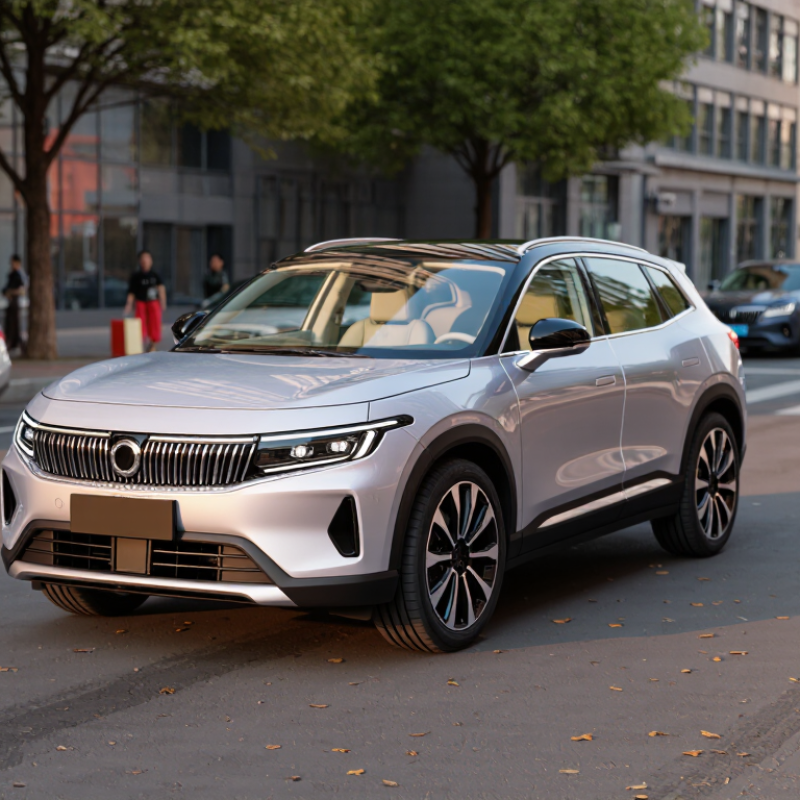
Forthing Friday’s Exterior Design and Compact-SUV Practicality
The compact SUV makes a confident first impression with a clean, upright shape. Its slim lighting, sculpted doors, and short overhangs create a modern road presence. I noticed how the raised bonnet improves the driver’s view during tight parking. The design feels purposeful, not overloaded with decoration.
Inside, the compact dimensions are easier to appreciate. The elevated seating position gives useful visibility, while the rear seats provide reasonable legroom for everyday passengers. A wide rear opening makes shopping bags and small luggage easier to load. The square cabin is practical. However, taller adults may find rear headroom less generous than expected. That limitation deserves an honest test before purchase.
During a short urban drive, the turning response felt manageable on narrow streets. The suspension absorbed ordinary speed bumps without excessive movement. Storage areas around the cabin were helpful, although some spaces could be deeper. The exterior mirrors also supported confident lane changes, but visibility still depends on careful adjustment. These details matter more than dramatic styling when the vehicle faces school runs, office parking, and weekend errands.
A typical compact SUV layout combines two seating rows, space for up to five occupants, four side doors, and a rear liftgate. These are general layout characteristics, not specifications for a particular vehicle; configurations vary by model and market.
Powertrain Choices, Handling, and Everyday Driving Performance
Powertrain choice changes how this compact SUV fits daily life. A battery-electric version delivers quiet, immediate response in stop-start traffic. A range-extended option can reduce charging stops on longer journeys, though its extra hardware may affect weight and feel. Neither is automatically better. The International Energy Agency’s Global EV Outlook 2025 reports that electric car sales exceeded 17 million worldwide in 2024, more than one-fifth of new-car sales. That shift makes charging access worth checking before choosing. Compare usable range, charging speed, and the route you actually drive, not just the headline figures.
Handling deserves a real road test. Try a tight parking turn, a rough street, and a highway merge. Notice steering effort, body movement, and whether passengers feel jolted over broken pavement. The U.S. Department of Energy and Environmental Protection Agency report that an electric vehicle’s range can drop about 41% at 20°F compared with 75°F. Cold mornings matter. Cabin heating and short trips can make the difference more noticeable. I would not treat one brief test drive as proof of comfort; repeat it with passengers or luggage if possible. A smooth showroom loop tells you little about a pothole-filled commute.
Interior Space, Comfort, and Flexible Passenger Usability
A compact SUV is most useful when its cabin feels easy to share, not merely roomy on paper. In the Forthing Friday, passengers can judge that by simple details: knee space behind the front seats, headroom, and how easily they settle in. Adults may appreciate a little room to shift position on longer drives. Small details matter.
Comfort also depends on how the seats and controls suit different people. A driver should be able to find a natural position without stretching for everyday controls, while front-seat passengers need space for knees and bags. For rear passengers, a clear view and sensible foot room can make short trips less cramped. Try sitting in each seat before deciding; impressions from a quick glance can be misleading.
Flexible passenger use matters when plans change. A family might carry a child seat one day, then need room for friends or shopping the next. Check how easily rear passengers can get in and out, and whether the cabin still feels usable with seats occupied. The layout may not suit every body shape or routine. That is worth admitting. A practical test with your usual passengers and bags will reveal more than a feature list.
Infotainment, Connectivity, and Driver-Assistance Technology
A compact SUV’s technology matters most when it feels simple on an ordinary drive. A clear central touchscreen can make navigation and audio easier to manage, while a responsive interface reduces time spent tapping through menus. Check how quickly the display starts and whether its icons remain readable in bright sunlight. Small details count. A practical cabin should also place charging ports where front and rear passengers can reach them, not hide them beneath a pile of bags.
Phone connectivity can make commutes smoother by bringing calls, maps, and playlists onto the vehicle’s screen. Before buying, connect your own phone and test the pairing process. Does it reconnect after a stop? Are voice commands easy to understand over road noise? These are useful questions, and a showroom demonstration may not reveal every annoyance. Driver-assistance features can add another layer of support, such as alerts that help drivers notice nearby vehicles or drifting lane position, depending on equipment. They are aids, not substitutes for attention. Try the warning sounds and steering responses on a safe test drive. Some alerts may feel overly eager; that is worth considering, not ignoring.
Efficiency, Ownership Value, and Competitive Market Position
Efficiency matters most when a compact SUV handles daily commutes, school runs, and weekend errands. A modest footprint can make tight parking spaces less stressful, while a practical cabin helps carry groceries, backpacks, and small luggage. Small details count. Clear controls and a comfortable driving position can make routine trips feel easier.
Ownership value depends on more than the purchase price. Fuel use, insurance, servicing, and likely resale value all shape the long-term cost. Buyers should compare local running costs and check what routine maintenance includes before deciding. A test drive is useful, too. Listen for cabin noise on rough pavement, and see whether rear-seat space suits the people who will use it. An efficient vehicle is not automatically the cheapest choice if its service needs or financing terms are less favorable.
In a crowded compact-SUV market, a strong option needs a sensible balance of equipment, comfort, and price. Safety features, warranty coverage, and dealer support deserve careful comparison with competing vehicles. I would not judge value from a specification sheet alone; a feature can look impressive but matter little in everyday use. There may also be compromises in cargo room or ride comfort. Check them in person, with your usual passengers and a typical load, before making a decision.