
Connect with us today to learn more about our industrial automation solutions—and how to commission them for your application.
Top Tips for Choosing Solar Panel Connectors for Your Needs
Choosing the right Solar Panel Connectors is essential for maximizing solar energy efficiency. According to the Solar Energy Industries Association, the U.S. solar market grew by 43% in 2020, showcasing a significant shift towards renewable energy solutions. In this context, selecting high-quality connectors can directly impact system performance and longevity.
Solar panel connectors vary widely in design, materials, and specifications. Understanding these differences is key for installers and homeowners alike. A recent report from the National Renewable Energy Laboratory emphasizes that using improper connectors can lead to energy loss and system failures. This highlights the importance of making informed decisions when selecting solar panel connectors.
Reputable manufacturers provide connectors that meet industry standards. Yet, not all products on the market are created equal. Some may compromise durability for cost savings. Thus, careful evaluation of connector performance, weather resistance, and compatibility is vital for a successful solar installation. Choosing wisely can prevent future headaches and ensure reliable energy production.
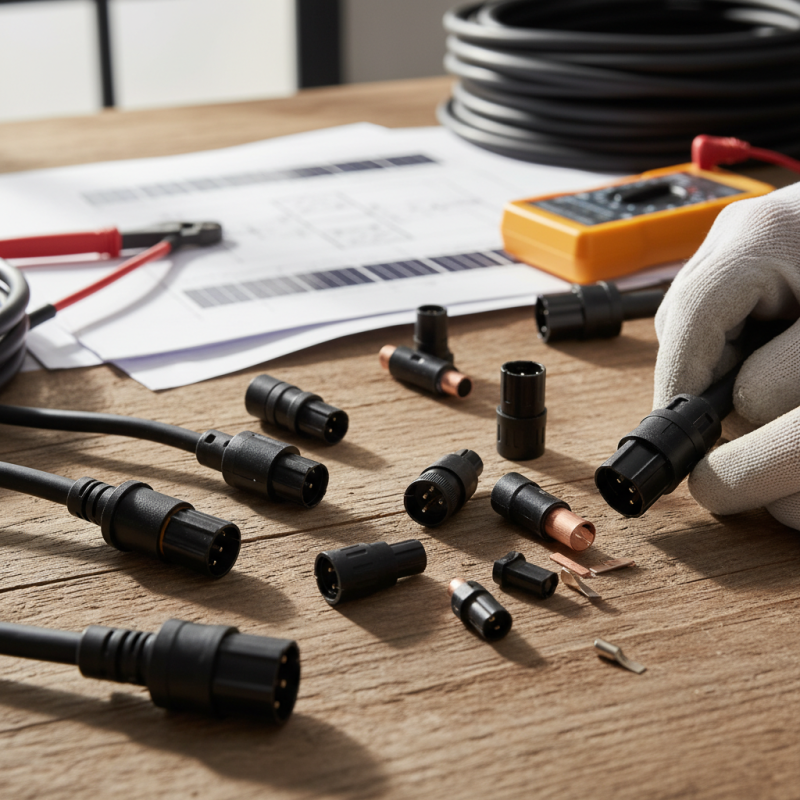
Understanding the Different Types of Solar Panel Connectors Available
When choosing solar panel connectors, understanding the different types available is essential. Connectors vary in design and function. Two common types are MC4 connectors and Tyco connectors. MC4 is weather-resistant and durable. It is often used for most solar installations. Tyco connectors provide flexibility and a secure fit but may be less common.
One important tip is to ensure compatibility. Not all connectors fit every solar panel. Researching specifications is crucial. You may need to consult with a solar technician. This helps avoid mismatched connections that could impair performance.
Consider the environment where your solar panels will be installed. Some connectors handle extreme temperatures better than others. If your area experiences severe conditions, choose connectors designed for durability. They should withstand high heat or heavy rain. You might also reflect on the ease of installation. Some connectors are easier to attach than others, saving you time and effort.
Key Factors to Consider When Selecting Solar Panel Connectors
When selecting solar panel connectors, focus on key factors that impact performance. A durable connector can withstand various weather conditions. It should be resistant to UV radiation, moisture, and extreme temperatures. Choosing the right materials can ensure longevity and reliability.
One tip is to check the connector's rating. Different applications require different voltage and current ratings. Ensure the connectors will meet the demands of your solar system. Ignoring this might lead to inefficiency or even damage.
Another important factor is compatibility. Not all connectors work with every solar panel. Verify if the connectors will fit your specific panels. Mismatched components can hinder your system's overall efficiency and performance. Always keep an open mind and consider multiple options before finalizing your choice.
Evaluating Compatibility with Various Solar Panel Systems
Choosing the right solar panel connectors is crucial for system performance. Ensuring compatibility with your specific solar panel system is a key consideration. According to a report by the Solar Industry Association, mismatched connectors can lead to efficiency losses of up to 5%. This can result in significant energy wastage over time.
Different solar panel systems utilize various connector types, such as MC4 and Tyco connectors. Understanding the specifications of your solar panels is vital. Some connectors are designed for higher voltage systems, while others may only support lower voltages. Be aware that an incompatible connector can create safety hazards, leading to potential fires or equipment failure.
As you assess your needs, consider environmental factors too. Extreme temperatures and moisture can affect connector durability. A study published in the Journal of Renewable Energy highlighted that 30% of connector failures occur due to these elements. Making an informed decision is essential. Taking time to evaluate compatibility and environmental resilience can enhance the overall lifespan of your solar setup.
Importance of Durability and Weather Resistance in Connectors
When selecting solar panel connectors, durability and weather resistance are key factors. Connectors face harsh conditions, from intense sunlight to heavy rain. Using connectors that can withstand temperature fluctuations is crucial for maintaining efficiency. A poor choice here can lead to significant energy loss over time.
Weather-resistant connectors typically feature robust sealing. This protects against moisture and dust, which can degrade performance. You might find connectors rated for IP67 or higher, which indicates they can handle immersion in water and dust ingress. However, the material quality matters. Look for connectors made from high-grade thermoplastics or metals with corrosion resistance.
Always consider the installation environment. Connectors on rooftops or exposed areas need to endure UV radiation and extreme weather. It’s wise to ask for installation recommendations from professionals. Regular inspections can identify wear or damage before it leads to failures. Not every connector offers the same level of protection. It’s essential to balance between cost and the longevity of your solar system.
Top Tips for Choosing Solar Panel Connectors for Your Needs - Importance of Durability and Weather Resistance in Connectors
| Connector Type | Durability Rating | Weather Resistance | Temperature Range (°C) | Material |
|---|---|---|---|---|
| MC4 | IP67 | UV Resistant | -40 to 85 | Polymer |
| Amphenol H4 | IP68 | Waterproof | -40 to 105 | Thermoplastic |
| Stäubli | IK08 | Salt Water Resistant | -40 to 90 | Aluminium |
| SolarLok | IP66 | Weather Resistant | -40 to 85 | Composite |
| SUNCLIX | IP67 | UV Resistant | -40 to 90 | Thermoplastic |
Tips for Installing and Maintaining Solar Panel Connectors Properly
Proper installation and maintenance of solar panel connectors are crucial for performance. Begin by ensuring the connectors are clean and dry before use. Dirt or moisture can lead to corrosion and failure. Use a soft cloth to wipe down connectors and check for any signs of wear or damage. If you notice frayed wires or discoloration, it may be time to replace the connectors.
When installing, make sure to follow the manufacturer's guidelines for torque specifications. Over-tightening can damage the connectors. Remember, connectors need to be snug but not excessively tight. Check connections periodically, especially after severe weather. Loose connections can result in energy loss or system failure.
Keeping an eye on your solar panel system can help catch potential issues early. Regular inspections are advisable. Some users forget this step, leading to bigger problems. It’s essential to be proactive with maintenance. Better safe than sorry; your investment deserves attention. A little diligence can go a long way in ensuring your solar system runs efficiently.