China Top 10 Medical Syringe Pump Manufacturers?
Choosing among China’s top 10 Medical Syringe Pump manufacturers requires more than comparing prices or product photos. Hospitals need dependable delivery, accurate dosing, clear alarms, and responsive technical support. A pump may look impressive online, yet its real value appears beside a patient bed, during a long infusion, or after an unexpected power interruption.
This introduction presents a practical framework for evaluating leading Chinese suppliers. It considers manufacturing experience, product development, quality systems, international certifications, and after-sales capability. Important details include flow-rate accuracy, occlusion detection, anti-bolus performance, battery duration, syringe compatibility, and cleaning procedures. Documentation also matters. Buyers should request test reports, calibration records, risk-management files, and evidence of ISO 13485 compliance where applicable.
No ranking is universally perfect. Market visibility can differ from clinical reliability. A polished website proves little. Supplier claims should be checked against independent records, customer references, factory audits, and local regulatory requirements. This is where careful research becomes valuable.
The featured manufacturers may serve hospitals, laboratories, emergency departments, veterinary clinics, and medical distributors. Their strengths may vary. One company may offer strong customization, while another provides better software integration or regional service coverage. Procurement teams should compare the complete ownership picture, including training, spare parts, warranty response, and firmware updates.
Small details matter.
The goal is not to promote one supplier blindly. It is to help readers identify credible manufacturers and ask better questions before purchasing. Product performance, patient safety, and long-term support should remain central throughout the selection process. Even experienced buyers can overlook service limitations. That deserves honest attention.
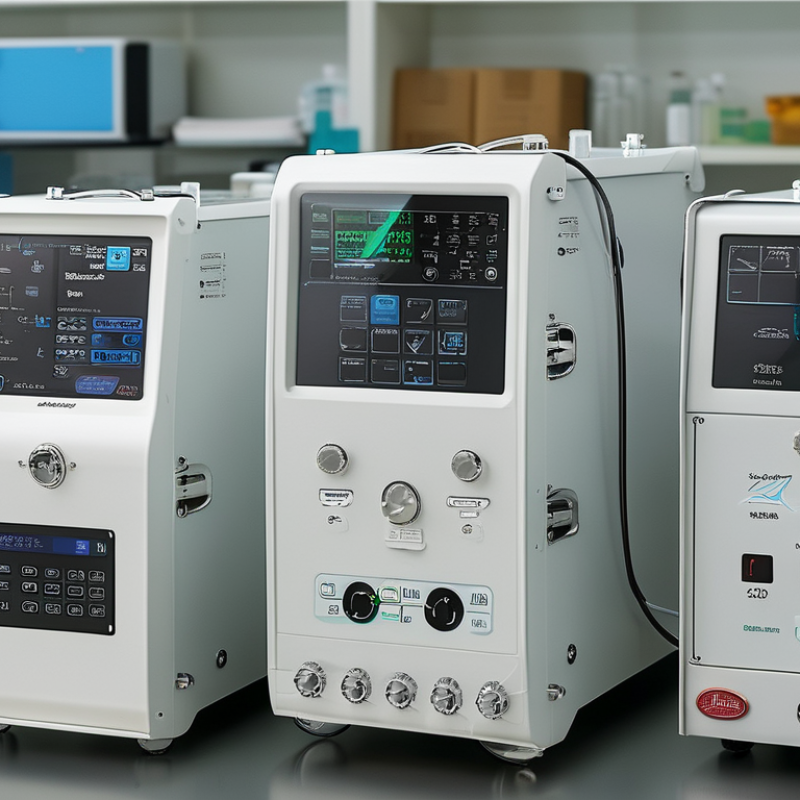
Medical Syringe Pumps: Definition, Uses, and Key Features
Medical Syringe Pumps: Definition, Uses, and Key Features
A medical syringe pump delivers controlled amounts of medication through a syringe. It uses a motor-driven mechanism to move the plunger at a selected rate. This design supports accurate infusion when fluid volumes are small or dosing must remain steady. Clinicians often use syringe pumps in intensive care, anesthesia, neonatal care, and research settings.
Small volumes matter. A stable flow can reduce sudden changes in drug concentration.
Key features include adjustable flow rates, syringe-size recognition, occlusion alarms, battery operation, and a clear display. Some models record infusion history or provide multiple safety alerts. These functions help staff notice blocked tubing, an empty syringe, or incorrect settings.
However, technology does not replace clinical judgment. Errors become serious. Staff should verify the prescription, syringe type, connection route, and displayed rate before starting therapy.
Reliable performance depends on more than the device itself. Manufacturers should apply documented quality controls, electrical safety testing, software verification, and traceable calibration procedures. Hospitals also need preventive maintenance, user training, and cleaning methods suited to the equipment.
In practice, alarm fatigue can weaken safety when alerts are frequent or poorly configured. That assumption can fail. A well-designed pump still requires thoughtful setup, regular inspection, and independent checks for high-risk medications. Testing under realistic conditions may reveal problems that a factory inspection misses.
China’s Medical Syringe Pump Manufacturing Landscape
China Top 10 Medical Syringe Pump Manufacturers?
China’s medical syringe pump sector is moving from volume production toward controlled, evidence-based manufacturing. The China Medical Device Industry Association reported that China’s medical device market exceeded RMB 1 trillion in 2023. This scale supports deeper supplier networks, stronger testing capacity, and faster equipment upgrades.
Global demand also provides context. Fortune Business Insights valued the global infusion pump market at about USD 10.7 billion in 2023. It expects continued growth through 2030, driven by chronic disease care, hospital automation, and home treatment. Syringe pumps remain important for neonatal care, anesthesia, intensive care, and precise low-volume infusion. Their value is not only speed. It is repeatable delivery.
A credible Chinese manufacturer should show more than a product catalog. Look for documented flow-rate accuracy, occlusion alarm testing, battery performance, and traceable quality records. Compliance with applicable medical-device requirements is essential. Local registration evidence also deserves careful review. Manufacturing experience matters.
The market is not perfect.
Some suppliers publish impressive specifications but offer limited verification data. Buyers should request test reports, sample evaluation records, and service response procedures. Grand View Research identifies accuracy, connectivity, and clinical workflow integration as major infusion-pump development trends. However, connectivity can create new maintenance risks. Simple interfaces may perform better in crowded wards. A practical top-ten evaluation should therefore balance engineering data, clinical usability, production consistency, and after-sales support rather than relying on price alone.
China’s Medical Syringe Pump Manufacturing Landscape
Typical maximum flow-rate capability by supported syringe capacity. These non-brand benchmarks reflect commonly specified operating ranges in medical syringe pumps and may vary by model, syringe type, and clinical application.
Larger syringe capacities generally support higher flow rates, while precision, occlusion detection, dosing stability, alarm systems, and compliance with medical-device standards remain important manufacturing evaluation dimensions.
Top 10 Chinese Medical Syringe Pump Manufacturers
China’s top 10 medical syringe pump manufacturers are usually assessed through evidence, not attractive catalogs. A credible supplier should show documented quality systems, traceable production records, and current regulatory certificates. ISO 13485 certification matters, but it does not replace product testing.
Look closely at pump performance. Important details include flow-rate accuracy, occlusion detection, alarm volume, battery duration, and compatibility with common syringe sizes. A stable device should deliver a controlled rate during low-volume infusion. Small errors matter. Ask for test data at different temperatures and flow settings. Request samples before placing a large order. A product may perform well in a demonstration, yet behave differently after repeated use.
The strongest ten Chinese manufacturers typically provide calibration procedures, user manuals, spare parts, and responsive technical support. Their factories should explain assembly controls and final inspection clearly. Check compliance with relevant medical device requirements, electrical safety standards, and risk-management practices in your target market. Avoid relying only on online rankings. They change quickly. Some suppliers have impressive engineering teams but limited overseas service capacity. Others offer lower prices but weaker documentation. That difference can affect training, maintenance, and delivery schedules. Procurement teams should compare warranty terms, software update policies, packaging quality, and operator feedback from real clinical environments. A careful audit may reveal gaps that a polished sales meeting hides.
How to Compare Chinese Syringe Pump Brands
Comparing Chinese syringe pump manufacturers requires more than checking price or website claims. Start with documented performance.
Review flow-rate accuracy, occlusion response, bolus control, battery duration, and alarm volume. Ask for test conditions, not only headline specifications. A pump may achieve ±2% accuracy with one syringe size, but perform differently after tubing changes.
Independent evidence matters. ISO 13485 certification indicates a quality management system, but it does not prove clinical performance. Check test reports against IEC 60601-2-24, which addresses infusion pump safety and essential performance.
The U.S. FDA recorded more than 56,000 infusion-pump adverse event reports between 2005 and 2009. It also reported 87 recalls during that period. These figures show why alarm reliability and risk controls deserve careful review. Procurement teams should request calibration records, software revision histories, and corrective-action data. Vague answers are warning signs.
Service capability can separate similar suppliers. Compare spare-parts availability, repair training, response times, and user manuals. Ask whether local engineers can diagnose a blocked line at the bedside.
The World Health Organization estimates medication-related harm costs roughly US$42 billion annually worldwide. Safer device selection has measurable value.
Still, factory audits can be brief and overly friendly. I would repeat key tests with independent technicians and real syringe samples. That costs more. It can reveal weaknesses hidden by polished demonstrations. Also examine cybersecurity controls, electrical safety reports, and regional registration documents before purchasing. Market reports often predict strong infusion-device growth, but growth forecasts cannot replace hands-on validation.