
China Top 10 Scenic Bus Manufacturers for Global Buyers

China has become a major source of sightseeing vehicles for parks, resorts, heritage districts, and urban tourism routes. This guide introduces the China Top 10 Scenic Bus Manufacturers for Global Buyers, focusing on practical purchasing concerns rather than promotional claims.

A Scenic Bus must fit its operating environment. Narrow mountain roads need a shorter turning radius. Coastal routes may require stronger corrosion protection. Hot climates can test battery cooling, air conditioning, and interior materials. Buyers should examine passenger capacity, driving range, charging time, accessibility, braking systems, and maintenance support. Demonstration vehicles reveal details that brochures often miss, including step height, cabin noise, seat comfort, and visibility around tight corners.

Real purchasing experience also shows that the lowest quotation is rarely the complete cost. Spare parts availability, warranty response, software support, shipping arrangements, and local certification can affect long-term value. Manufacturer experience with export projects matters. So does transparent communication.

No ranking is permanently perfect. Production capabilities change. Customer service can vary by region. Some companies may offer strong customization but weaker after-sales coverage. Others may provide reliable platforms with fewer design options. These limitations deserve attention. Global buyers should verify factory records, inspect technical documents, request reference projects, and confirm compliance with local transport and safety requirements. A careful comparison can reduce costly surprises and support safer, more comfortable sightseeing operations. The best choice is not simply the most attractive bus. It is the manufacturer that can support the vehicle after delivery.
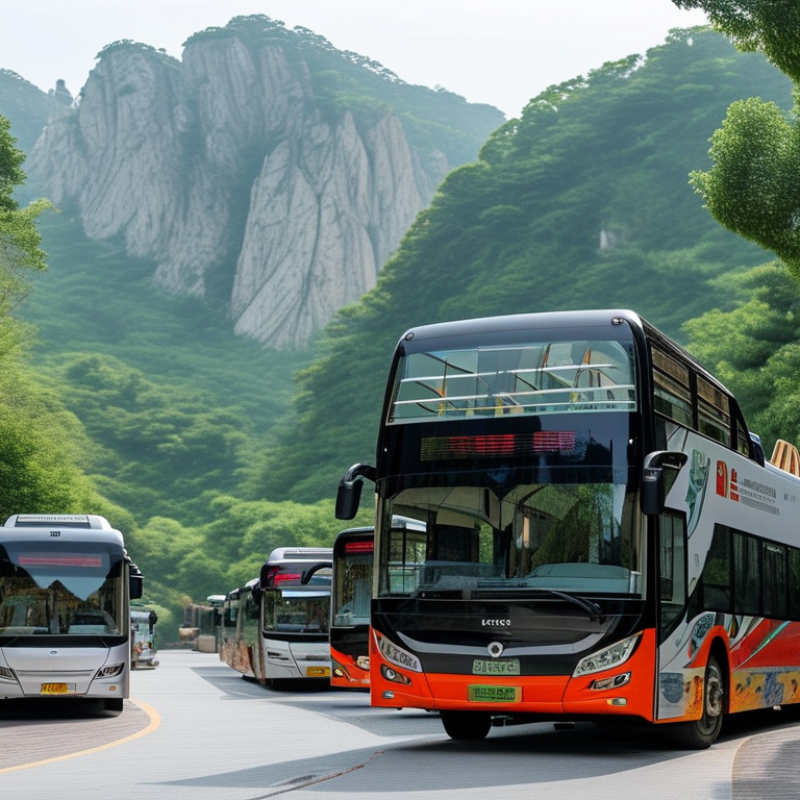
China Top 10 Scenic Bus Manufacturers for Global Buyers

What Defines a Scenic Bus and Its Main Global Applications

A scenic bus is designed to make the journey part of the attraction. It usually features wide windows, elevated seating, clear sightlines, and comfortable suspension. Open-top layouts suit mild climates, while enclosed cabins perform better in rain, snow, or strong sunlight. Low floors, handrails, and wheelchair spaces improve access for families and older passengers. Quiet electric or hybrid systems can also reduce noise near historical sites and wildlife areas.

Its applications vary across global tourism markets. City sightseeing routes need frequent stops, strong air conditioning, and durable interiors. Mountain destinations require reliable braking, stable handling, and sufficient ground clearance. Resort areas often prefer compact buses for narrow roads.

National parks may prioritize low noise and low emissions. Airport and cruise-terminal tours need luggage space and fast passenger movement. A model that works well on flat urban roads may struggle on steep, winding routes. That detail is easy to underestimate.

Tips: Check passenger flow during peak hours, not only the advertised seating capacity. Measure turning circles and road gradients before ordering. Ask for verified range data under real passenger loads. Inspect window seals, roof drainage, and emergency access in person. I would also test the bus with local drivers. Specifications look precise, but daily operating conditions can expose weaknesses. Sometimes, a slightly smaller vehicle is the more practical choice.

Key Criteria for Evaluating Scenic Bus Manufacturers

China Top 10 Scenic Bus Manufacturers for Global Buyers

Evaluating scenic bus manufacturers requires more than comparing prices. Start with production experience, export records, and the ability to build vehicles for uneven routes, coastal weather, and heavy daily use. Ask for factory photographs, inspection reports, and references from similar tourism projects. Real evidence matters.

Check the chassis, passenger layout, battery system, and braking performance in detail. A reliable manufacturer should provide clear specifications, maintenance intervals, spare-parts plans, and warranty terms. Request a test drive with a full passenger load. Observe turning radius, hill climbing, cabin noise, and door operation. Small details matter.

COMPLIANCE Review compliance documents for the destination market. These may include electrical safety, road approval, battery transport, and accessibility requirements. Confirm whether certificates cover the exact vehicle configuration, not an older model. Production quality also depends on welding, paint thickness, wiring protection, and final inspection records. Ask who performs these checks.

A low quotation can hide expensive gaps. Replacement parts may take weeks. Sometimes, technical documents are incomplete. That is a warning. No supplier is flawless, and buyers should record every open issue before signing. A written delivery schedule, training plan, and after-sales contact can prevent confusion after arrival. Scenic routes expose weaknesses quickly. A polished showroom cannot replace consistent field performance.

Top 10 Scenic Bus Manufacturers and Their Product Strengths

China’s scenic bus manufacturers serve tourism parks, heritage towns, airports, and city sightseeing routes. Their main strengths include flexible body design, competitive production costs, and practical customization. Buyers can request open-top decks, wide windows, wheelchair access, or quieter electric drivetrains. Some factories also provide battery monitoring, route displays, and reinforced luggage areas.

Product quality varies between suppliers. Experienced manufacturers usually support chassis integration, climate control, corrosion protection, and long-term parts supply. Electric models may offer smooth acceleration and lower operating noise, especially in residential tourism areas. Diesel and hybrid options can remain useful for steep routes or remote regions. However, a polished showroom vehicle does not guarantee reliable field performance. Trial operation matters. Buyers should inspect welds, door alignment, emergency exits, battery placement, and passenger flow. I would also review maintenance records from similar climates.

Tips: Ask for independent test reports, export references, and clear warranty terms. Confirm seat capacity under local regulations, not only the advertised maximum. Test braking on slopes and air conditioning in crowded conditions. Check charging standards, spare-part lead times, and technician training before signing. Small details can become expensive later. A factory visit helps, but it is not enough without documented inspections and acceptance testing.

How Global Buyers Can Compare Models, Costs, and Customization

Comparing China’s top scenic bus manufacturers requires more than counting seats and checking brochure photos. Global buyers should match each model with the route, climate, and passenger profile. Open-top buses suit historic districts and coastal roads, while enclosed panoramic buses perform better in cold or rainy regions. Check turning radius, hill-climbing ability, braking performance, and wheelchair access. A beautiful bus may still struggle on steep roads.

Cost comparison should include the full operating picture. Request itemized pricing for the chassis, battery or engine, charging equipment, spare parts, training, shipping, and local taxes. Electric models may reduce daily energy costs, but battery replacement and charging upgrades can change the long-term budget. Diesel models may offer simpler refueling in remote areas, although fuel expenses can rise quickly. A spreadsheet can still mislead.

Customization should be measured, not treated as decoration. Ask about seating layouts, roof height, window size, air conditioning, luggage space, destination displays, and safety equipment. Require drawings, material specifications, inspection records, and a realistic delivery schedule. A sample vehicle or route test is valuable. Do not rely only on factory videos. Confirm compliance with destination-country standards, accessibility rules, noise limits, and road regulations. Warranty response also matters; a low purchase price is less attractive when replacement parts take weeks. Some requests may exceed the standard platform, so buyers should accept practical compromises and document every change before production.

International Purchasing, Compliance, Delivery, and After-Sales Support

China Top 10 Scenic Bus Manufacturers for Global Buyers

International buyers should evaluate more than vehicle appearance. The International Energy Agency reported that global electric bus sales grew by about 30% in 2023. China remains the largest production and deployment market. This scale can support competitive pricing, but it also creates specification risks. Buyers should compare battery chemistry, driving range, charging standards, climate performance, and passenger capacity. A scenic route bus may face steep roads, salt air, dust, or long idle periods.

Compliance must be checked before signing a purchase contract. Relevant UNECE requirements can include UN R100 for electric powertrain safety, UN R10 for electromagnetic compatibility, and UN R107 for bus construction. Requirements differ across destination markets. Ask for complete test reports, homologation records, battery safety documents, and component traceability. Independent pre-shipment inspection remains valuable. A certificate alone is not always enough.

Delivery planning needs practical detail. UNCTAD reports that maritime transport carries over 80% of global merchandise trade by volume, so port delays can affect project schedules. Confirm Incoterms, export documents, loading photographs, spare parts, and insurance responsibilities. After-sales support should include remote diagnostics, technician training, warranty limits, and a response-time agreement. Keep critical items locally, such as door actuators, lamps, sensors, and charging connectors. The checklist helps, but it is not magic. We sometimes underestimate local road conditions and service skills. That mistake deserves review before fleet expansion.

China Top 10 Scenic Bus Manufacturers for Global Buyers - International Purchasing, Compliance, Delivery, and After-Sales Support
Rank Anonymous Supplier Profile Typical Scenic Bus Category Common Passenger Capacity Powertrain Options Export Application Compliance Documents to Request Typical Production Lead Time Spare Parts Support After-Sales Capability Buyer Verification Priority
1 Profile A — High-volume electric coach supplier Open-top sightseeing bus; low-floor city sightseeing bus 35–55 passengers Battery-electric; optional diesel configuration Urban tourism, parks, airports, waterfront routes Vehicle type approval, battery safety test reports, EMC documents, charger specifications, warranty terms 60–120 days after approved drawings and deposit Structured parts list Remote diagnostics, service manuals, technician training Battery and charging compatibility
2 Profile B — Double-deck sightseeing bus specialist Open-top double-deck bus; enclosed double-deck bus 50–90 passengers Diesel; compressed natural gas; electric project option City sightseeing, heritage districts, large tourist attractions Height and weight data, rollover documentation, brake test results, lighting compliance, seat-belt specifications 90–150 days depending on body design Core parts available Commissioning support and operating training Road-height and route clearance
3 Profile C — Compact electric shuttle supplier Mini electric sightseeing shuttle; resort transfer bus 8–23 passengers Battery-electric Resorts, campuses, factories, zoos, gated attractions Battery datasheet, charger certification, electromagnetic compatibility records, emergency shut-off design 45–90 days for standard configurations Fast-moving parts program Online troubleshooting and replacement guidance Local electrical and charging rules
4 Profile D — Tourist coach and shuttle integrator Enclosed tourist coach; airport and attraction shuttle 25–45 passengers Diesel; battery-electric; hybrid project option Intercity tourism, airport transfers, long-route attractions Engine or motor data, emissions documents, brake and steering tests, accessibility information, VIN details 75–135 days Regional stocking possible Warranty administration and field-service coordination Service network in destination country
5 Profile E — Customized open-air sightseeing bus builder Single-deck open-top bus; removable-roof tourist bus 25–50 passengers Diesel; battery-electric Coastal routes, historical tours, botanical gardens Structural drawings, weatherproofing details, passenger protection design, corrosion-treatment specification 90–160 days for customized bodies Order-based supply Video-based training and periodic technical support Passenger safety and weather protection
6 Profile F — Low-speed park transport manufacturer Electric park shuttle; multi-row sightseeing cart 11–24 passengers Battery-electric; lead-acid or lithium battery options Theme parks, golf resorts, campuses, private tourism zones Battery certification, maximum-speed setting, load rating, braking performance, operating instructions 30–75 days Simple maintenance package Operator training and remote technical assistance Vehicle classification and road access
7 Profile G — Premium resort mobility supplier Luxury electric shuttle; VIP sightseeing minibus 8–30 passengers Battery-electric; range-extender project option Luxury resorts, private estates, exhibition centers Interior fire-retardancy information, battery warranty, charging interface, accessibility features, insurance requirements 60–120 days Dedicated parts quotation On-site commissioning available by contract Interior materials and passenger comfort
8 Profile H — Heavy-duty attraction shuttle supplier High-capacity electric shuttle; articulated tourist bus 45–100 passengers Battery-electric; trolley or charging-station project option Large parks, transport hubs, industrial tourism sites Axle-load data, battery thermal-management documents, braking tests, turning radius, charging-system interface 100–180 days Planned inventory required Fleet monitoring and scheduled maintenance support Infrastructure capacity and route geometry
9 Profile I — Export-focused diesel sightseeing supplier Open-top city bus; enclosed tourist bus 30–70 passengers Diesel; compressed natural gas where supported Markets with established fuel and maintenance infrastructure Emission level, engine conformity documents, fuel-system data, noise test results, export packing list 75–140 days Broad mechanical parts availability Service manuals and distributor-based repairs Destination emissions regulations
10 Profile J — Small-batch special-purpose builder Custom scenic bus; accessible tourist shuttle 12–35 passengers Battery-electric; diesel conversion or special chassis option Private attractions, municipal pilot projects, remote scenic areas Complete technical file, accessibility layout, emergency-exit design, load calculation, conformity declaration 120–210 days for one-off projects Confirm before purchase Project-based support and paid engineering assistance Long-term parts and engineering continuity
Note: Lead times, capacities, certification scope, spare-parts availability, and after-sales arrangements vary by configuration, destination market, and contract. Global buyers should verify current documents, homologation requirements, factory inspection results, warranty coverage, and delivery terms before placing an order.

Learn More

Connect with us today to learn more about our industrial automation solutions—and how to commission them for your application.