Top Ceramic Lined Rubber Hose Suppliers Worldwide?
Choosing among the top Ceramic Lined Rubber Hose suppliers worldwide requires more than comparing prices and catalog photographs. These hoses must withstand abrasive slurry, sharp mineral particles, pressure changes, and demanding transfer cycles. A reliable supplier should explain ceramic tile hardness, rubber compound selection, hose dimensions, flange design, and operating temperature limits. Technical drawings matter. So does factory experience.
Real project conditions often reveal the difference. A hose moving quartz sand may need denser ceramic protection than one handling softer limestone. A mining plant may also require flexible bends, reinforced covers, and carefully tested connections. Established suppliers can provide material certificates, pressure reports, wear data, and traceable inspection records. They should also discuss installation support and replacement planning, not only production capacity. Quiet details often prevent expensive downtime.
No supplier is perfect.
Buyers should ask difficult questions. How are ceramic segments bonded? What happens after repeated flexing? Can the supplier reproduce the same quality in large orders? Independent testing, customer references, and clear warranty terms strengthen confidence. However, published claims still need practical verification. Site conditions vary, and a specification sheet cannot predict every failure.
This guide examines reputable Ceramic Lined Rubber Hose suppliers through a practical, evidence-based lens. It considers manufacturing capability, product consistency, customization, quality control, delivery reliability, and technical service. The goal is not to promote the loudest company. It is to help engineers and procurement teams identify a supplier that performs reliably when abrasive materials keep moving. Sometimes, the less impressive quotation deserves a closer look.
What Are Ceramic Lined Rubber Hoses and How Do They Work?
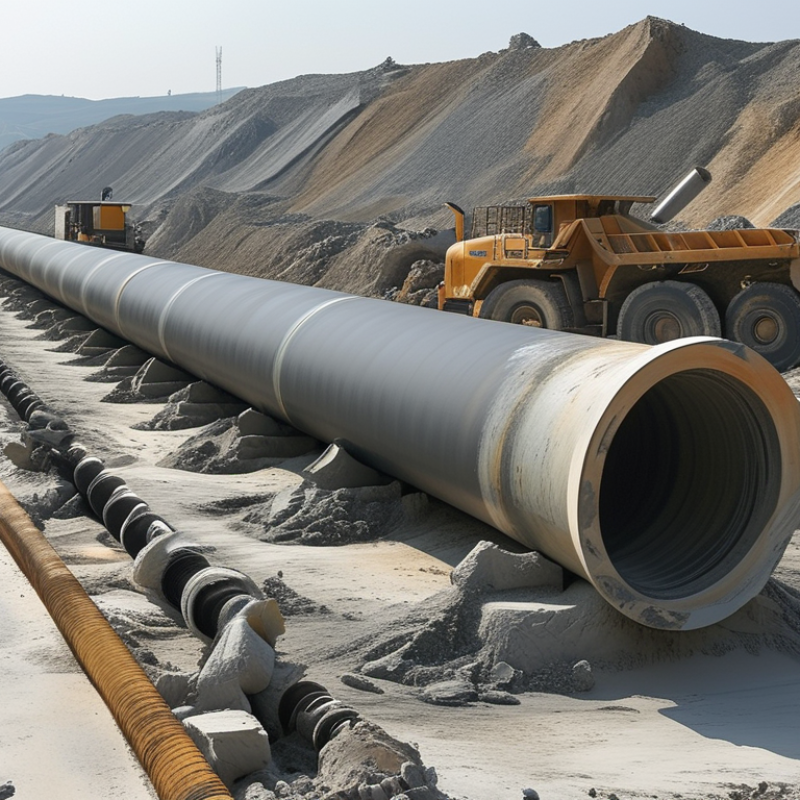
Ceramic lined rubber hoses are flexible wear-resistant tubes used to move abrasive slurries, powders, and mineral mixtures. They combine a rubber outer body with small ceramic tiles or sleeves inside. The rubber absorbs vibration and bending, while the ceramic surface resists cutting and erosion.
During operation, abrasive material contacts the ceramic lining instead of the rubber wall. This greatly reduces wear in mining, cement, power, and aggregate applications. Some designs use interlocking tiles, while others use molded ceramic sections. The choice depends on pressure, particle size, temperature, and bend radius. In practice, the hose still needs inspection. Ceramic is hard, but it can crack after impact, poor installation, or excessive twisting. I have seen hoses fail early because the connection was misaligned, not because the lining was weak. That detail is easy to overlook.
Tips: Check lining thickness, flange quality, and operating temperature before purchasing. Ask suppliers for test data, dimensional drawings, and installation guidance. A reliable global supplier should explain its inspection process and provide traceable material information. Confirm the hose’s minimum bend radius, pressure rating, and compatibility with the conveyed material. Do not select only by price. A cheaper hose may require earlier replacement and create avoidable maintenance work. Supplier response time also matters, especially when replacement lengths are custom-made.
Top Ceramic Lined Rubber Hose Suppliers Worldwide? What Are Ceramic Lined Rubber Hoses and How Do They Work?
Ceramic lined rubber hoses combine abrasion-resistant ceramic tiles or particles with a flexible rubber body. The ceramic lining protects the flow path from abrasive materials, while the rubber absorbs vibration, impact, and movement. Actual performance depends on ceramic grade, lining thickness, hose diameter, rubber compound, pressure, temperature, and conveyed material.
Typical Continuous Temperature Ranges for Rubber Compounds Used with Ceramic Linings
The chart shows generalized engineering reference ranges for common elastomers. Ceramic lining improves wear resistance, but the rubber compound usually determines the hose’s continuous temperature limit.
Key Performance Features to Compare Among Global Suppliers
Top Ceramic Lined Rubber Hose Suppliers Worldwide?
Global suppliers should be compared through measurable performance, not catalog claims. Grand View Research estimated the industrial hose market at approximately USD 14 billion in 2023, with continued growth driven by mining, cement, and chemical processing. That growth increases the need for verified wear resistance. Ask suppliers for ceramic composition, tile thickness, rubber grade, and documented abrasion results. Alumina ceramic is common, but purity alone does not guarantee longer service.
Abrasion data matters most. ISO 4649 testing can compare rubber wear loss under controlled conditions, while ASTM D2240 helps verify rubber hardness. Request test conditions, not just final numbers. A hose handling 80°C slurry needs different reinforcement from one carrying dry powder. Check working pressure, burst pressure, minimum bend radius, vacuum resistance, and temperature limits. Small details matter.
Look closely at bonding quality. Poor adhesion may create hidden gaps behind the ceramic tiles. Those gaps can expand after repeated impact. Supplier quality systems should include batch traceability, hydrostatic testing, dimensional inspection, and end-fitting checks. The 2024 MarketsandMarkets analysis of wear-resistant materials highlights mining and mineral processing as major demand sectors, where abrasive solids can sharply reduce hose life. Still, published market data is not a substitute for field trials. A sample may perform well for three months, then fail at the bend. Ask for installation records, failure photos, and realistic service-life evidence.
Major Ceramic Lined Rubber Hose Suppliers by Region
Top Ceramic Lined Rubber Hose Suppliers Worldwide
Major ceramic lined rubber hose suppliers serve different industrial regions, shaped by local mining, cement, power, and dredging demand.
In East Asia, manufacturers often provide flexible hoses with dense alumina tiles or ceramic cylinders for abrasive slurry.
European suppliers commonly emphasize documented testing, dimensional control, and traceable materials. Their hoses may suit strict plant maintenance procedures and compact pipe layouts.
North American suppliers often focus on heavy-duty mining and mineral processing applications. They typically offer large-bore designs, custom flanges, and field support for demanding transfer lines. In South America, regional suppliers understand copper, iron ore, and aggregate operations, where sharp particles can damage ordinary rubber quickly.
Middle Eastern suppliers frequently serve desalination, concrete, and mineral projects. African suppliers may combine local installation knowledge with imported ceramic components. Quality can vary, so inspection remains essential.
Tips: Compare ceramic thickness, rubber compound, bend radius, flange design, and working temperature. Request abrasion test data and real project references. Check the liner near the hose ends; poor bonding often appears there first. A common mistake is choosing the thickest ceramic without checking flexibility. That can create stress at bends. Even experienced buyers can misjudge flow velocity. Record pressure, particle size, and installation angles before requesting quotations. Supplier claims are useful, but independent inspection is better.
Selecting the Right Supplier for Different Industrial Applications
Top Ceramic Lined Rubber Hose Suppliers Worldwide
Selecting a ceramic lined rubber hose supplier requires more than comparing prices. The correct choice depends on the application. Slurry pipelines need strong abrasion resistance and reliable ceramic bonding. Chemical transfer may require compatible rubber compounds and verified temperature limits. High-pressure systems need tested reinforcement, secure couplings, and a suitable bend radius. Ask suppliers for technical data, inspection records, and application references. Clear documentation often reveals more than polished sales language.
Tips: Describe the material, flow rate, pressure, temperature, particle size, and hose length before requesting quotations. Request a sample or lining inspection when possible. Check whether the supplier can support installation, replacement, and failure analysis. A responsive engineering team can prevent costly misalignment later.
Worldwide suppliers may offer similar specifications, but manufacturing control can differ significantly. Look for traceability from raw materials to final testing. Confirm ceramic thickness, rubber hardness, adhesion quality, and dimensional tolerances. Independent testing is useful for demanding service conditions. Still, laboratory results cannot predict every field problem. Poor support, incorrect routing, or unexpected solids can shorten service life. That part is easy to overlook. Review maintenance access and replacement timing with the supplier. Selecting the right partner means matching proven experience with the actual operating environment, not choosing the longest product list.